Anuradhapura is not one monument. It is an expansive sacred city of great stupas, monasteries, ancient waterworks and places of worship that remain deeply alive. The most rewarding visit begins with enough time to move quietly through it.
UNESCO describes Anuradhapura as a political and religious capital that flourished for 1,300 years, established around a cutting from the Buddha's tree of enlightenment brought to the island in the 3rd century BC. Sri Lanka Tourism calls it the oldest city in the Cultural Triangle and the country's first capital. Those layers of history are vast, but the experience is personal: bare feet on warm stone, flowers laid in prayer, white-clad pilgrims and the scale of a stupa rising through the trees.
Why Anuradhapura matters
For many Sri Lankans, Anuradhapura is a living centre of Buddhist devotion, not simply an archaeological attraction. Its stupas, monasteries and sacred trees continue to welcome worshippers every day. That makes a visit both a heritage experience and an opportunity to observe living culture with humility.
The city also reveals a sophisticated relationship with water and landscape. Sri Lanka Tourism notes that vast irrigation reservoirs nourished ancient agriculture and still shape the area today. Let that bigger picture guide your visit: Anuradhapura is a whole civic landscape, not a list of disconnected ruins.
Choose a few sites, and give them time
The sacred city is spread over a wide area, so a guide, driver or tuk-tuk can make the day far more relaxed. Rather than aiming to see everything, choose a thoughtful circuit and allow time at the places that speak to you.
- Sri Maha Bodhi: one of the most revered places in the city; arrive with a quiet, respectful mindset.
- Ruwanwelisaya: a monumental white stupa and a powerful place to appreciate scale, devotion and the ancient city plan.
- Jetavanaramaya and Abhayagiri: immense monastic landscapes that help reveal the ambition of ancient Anuradhapura.
- Isurumuniya: known for its rock temple and historic relief sculptures; a more intimate contrast to the giant stupas.
Opening arrangements, access and conservation work can change. Confirm the latest practical details with your accommodation, guide or the relevant official authority before planning a fixed day.
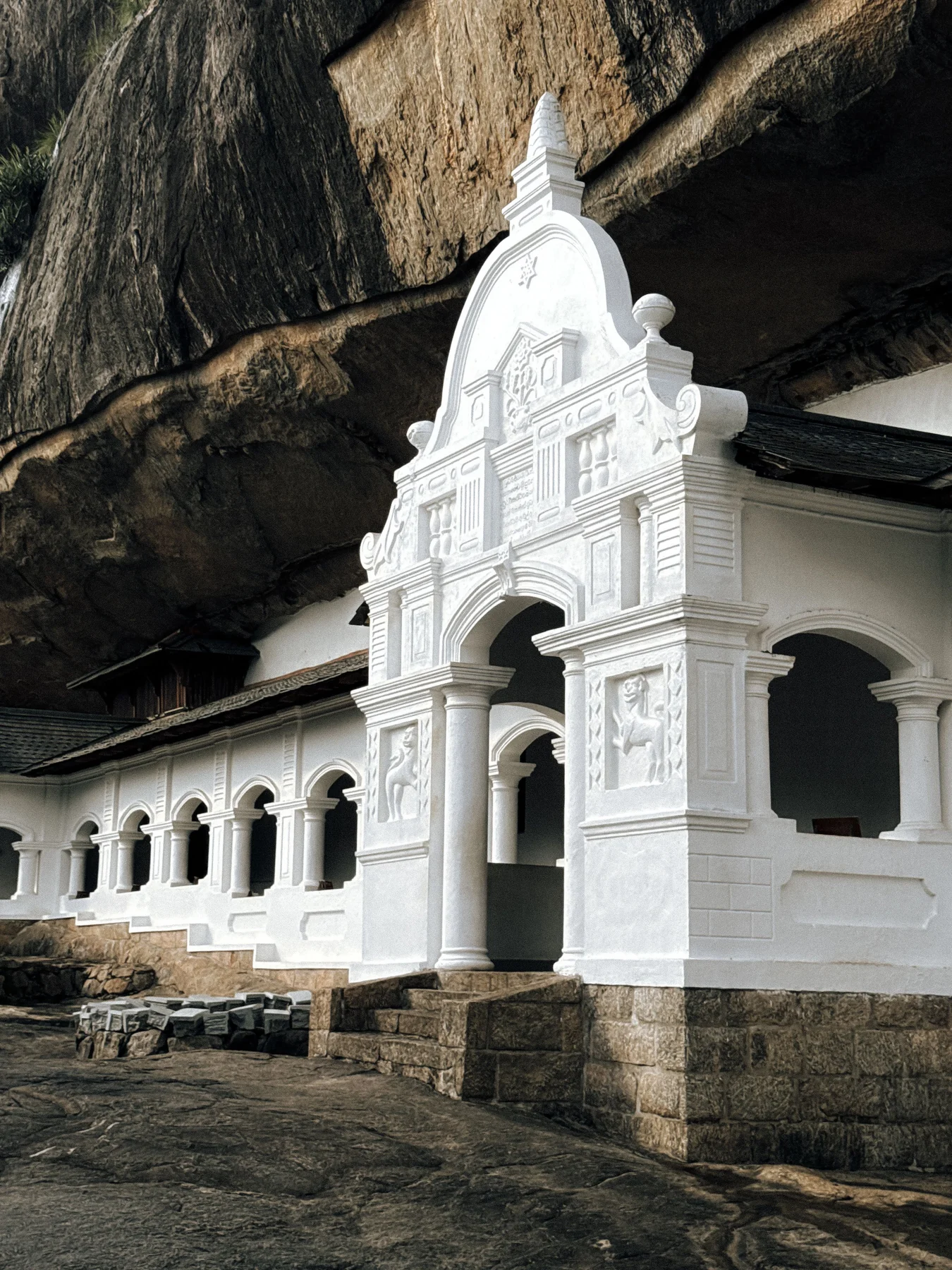
Dress and behave with care
At religious sites, cover shoulders and knees, remove footwear when required and follow staff instructions about hats, photography and movement. Bring a light scarf or cover-up, and consider socks for hot stone paths. Do not pose with your back to a Buddha image, climb on monuments or turn worshippers into a backdrop for photographs.
Watch how local visitors move through a place and take your cue from them. A patient, quiet visit is always more meaningful than a hurried one. For more principles that apply across the island, read our responsible travel in Sri Lanka guide.
How to plan a comfortable day
- Begin early: mornings are cooler and often calmer at the major sites.
- Protect the hottest hours: plan lunch, a rest or a shaded stop rather than trying to tour continuously.
- Carry water and sun protection: the ancient city is open, wide and often very warm.
- Choose easy-off footwear: sacred areas may require shoes to be removed several times.
- Keep the day spacious: a handful of places with time to understand them is more satisfying than a rushed circuit.
Our Sri Lanka packing list covers the light, respectful layers and heat-ready basics that make a Cultural Triangle day easier.
How long to stay
One full day is a sensible minimum. An overnight stay lets you begin early, avoid the pressure of a long transfer and treat the sites with the calm they deserve. Two nights work well for travellers who want to add a relaxed lake-side evening, a slower morning or another nearby heritage location.
Do not try to combine Anuradhapura, Polonnaruwa and Sigiriya in one exhausting day. These are three different stories. Allow separate time for each, and use your travel days as breathing space rather than extra sightseeing hours.
Build Anuradhapura into your route
Anuradhapura can open a Cultural Triangle itinerary before you continue toward Sigiriya and Polonnaruwa, or act as a final heritage stop before moving into the hill country. Our Polonnaruwa guide helps you understand the next great ancient capital, while our Sigiriya guide offers a different kind of archaeological landscape.
For a wider first-trip structure, see our 7-day Sri Lanka itinerary. It is a useful starting point before you choose how much time to give the north-central region.
Anuradhapura travel FAQs
Is Anuradhapura worth visiting?
Yes. It is one of Sri Lanka's most significant sacred and historic destinations, especially rewarding for travellers who want to understand the island's Buddhist heritage and ancient urban landscape.
How long do you need in Anuradhapura?
Plan at least one full day, ideally with an overnight stay. The sites are spread out, the climate can be hot and the experience benefits from an unhurried pace.
What should I wear in Anuradhapura?
Wear modest clothing that covers shoulders and knees, bring footwear that is easy to remove and follow all local instructions at sacred sites.
Plan the Cultural Triangle
Give Sri Lanka's sacred cities the time they deserve.
Eeily Travels can shape a heritage route around your pace, interests and the season.
Request a Quote