Sri Lanka's eight UNESCO World Heritage Sites reveal more than two thousand years of kingdoms, faith, art and engineering alongside two of the island's most important natural landscapes.
Six cultural sites trace the rise of ancient capitals, sacred Buddhist traditions and colonial exchange. Two natural sites protect rainforest and highland ecosystems rich in endemic wildlife. Together, they can form the backbone of a journey that moves from the Cultural Triangle to Kandy, the mountains, rainforest and southern coast.
Six cultural landmarks
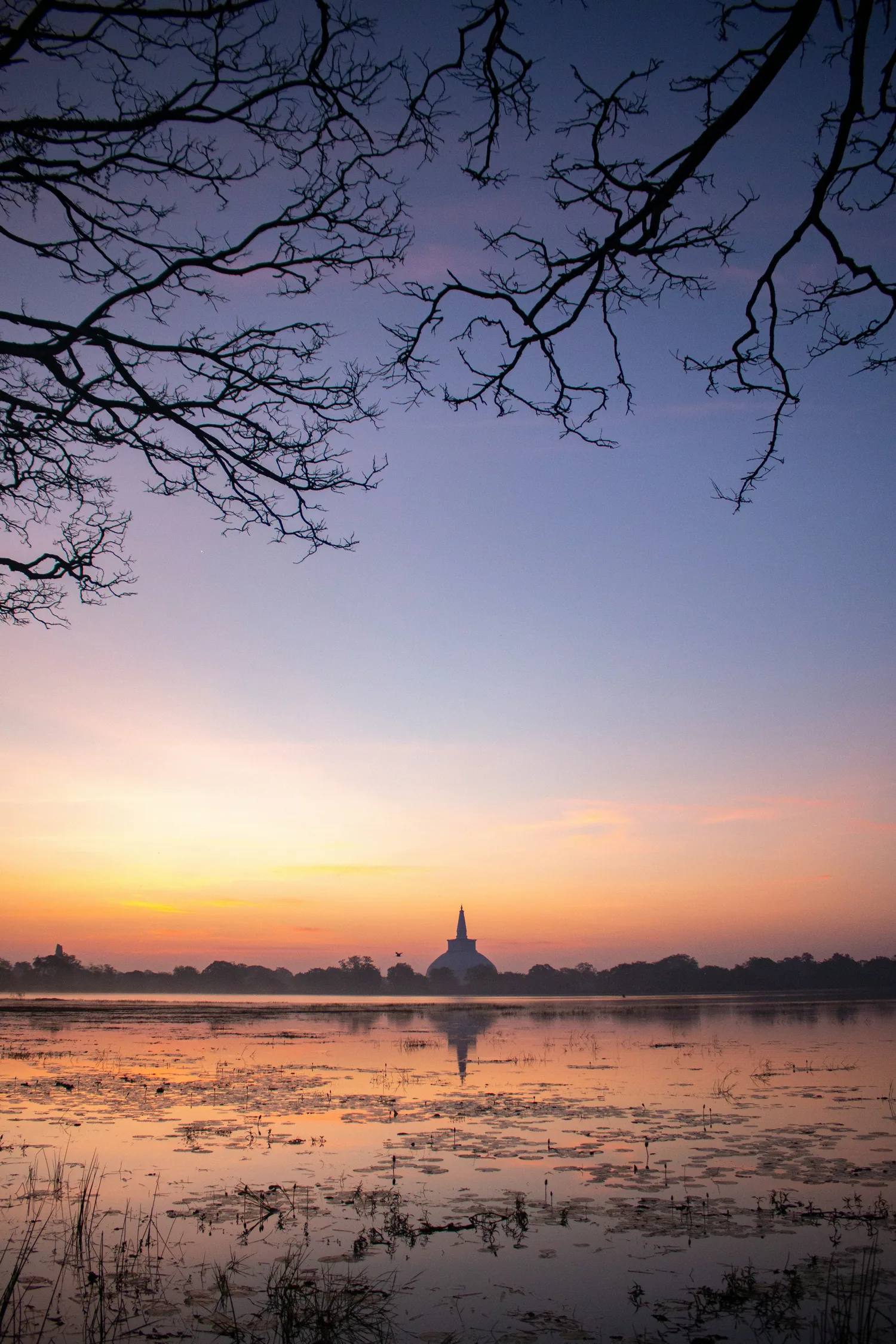
Anuradhapura
Founded in the fourth century BCE, Anuradhapura was a political and spiritual centre for more than a millennium. Its vast monastic landscape includes the revered Sri Maha Bodhi, monumental stupas such as Ruwanweliseya and Jetavanaramaya, ancient reservoirs and sophisticated urban remains. Allow time to explore slowly; the scale of the city is part of the experience.
Polonnaruwa
Sri Lanka's medieval capital is remarkably rewarding to explore by bicycle, tuk-tuk or private vehicle. The Royal Palace, sacred Quadrangle, Vatadage and the serene rock-cut figures of Gal Vihara show the architectural ambition of the eleventh and twelfth centuries, while the Parakrama Samudra reservoir demonstrates the kingdom's mastery of water.
Sigiriya
The dramatic rock fortress of Sigiriya rises almost 200 metres above the central plains. The route to the summit passes formal water gardens, boulder gardens, frescoes, the Mirror Wall and the Lion Gate before reaching the remains of King Kashyapa's fifth-century palace. An early start brings cooler conditions and gentler light across the landscape.
Dambulla
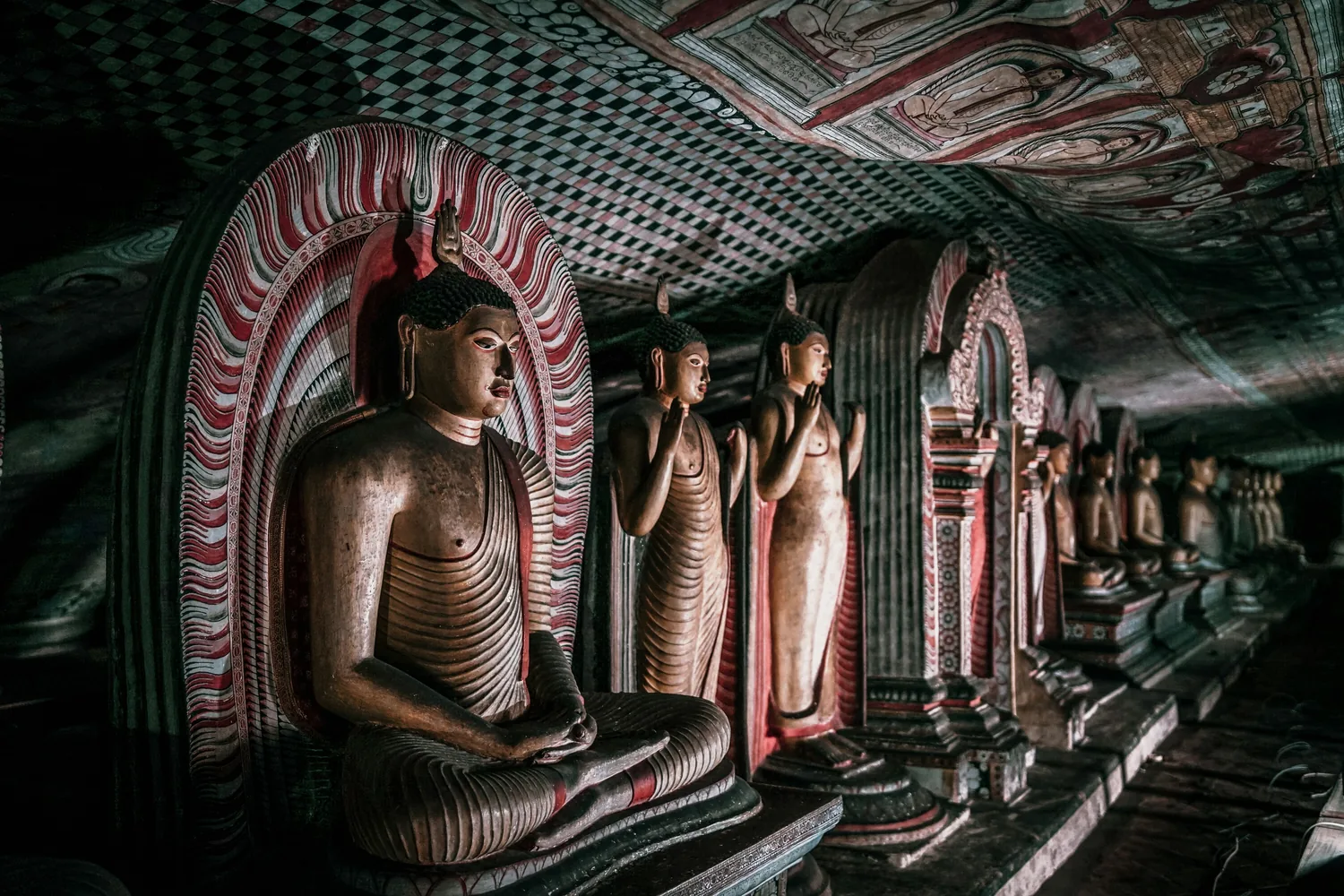
The Golden Temple of Dambulla preserves five cave sanctuaries filled with Buddha images, royal figures and extensive murals. The complex has remained a place of worship for centuries, so respectful dress and quiet observation matter as much as appreciating the art. The elevated setting also opens to broad views across the plains.
Kandy
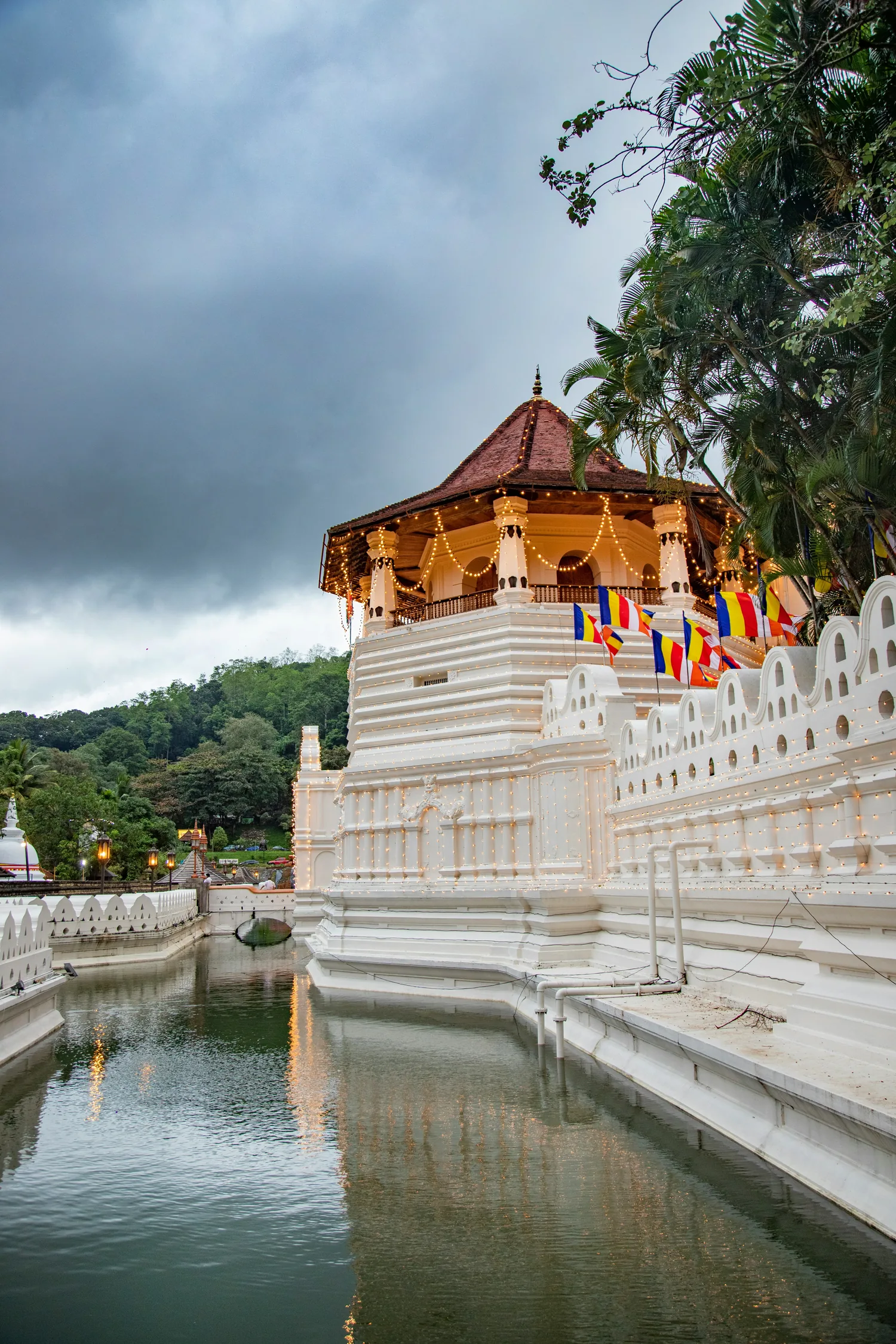
Sri Lanka's last royal capital surrounds a lake in the central hills. Its spiritual focus is the Temple of the Sacred Tooth Relic, one of Buddhism's most revered pilgrimage sites. The former royal precinct, surrounding temples and living traditions give Kandy a very different character from the archaeological capitals of the north.
Galle Fort
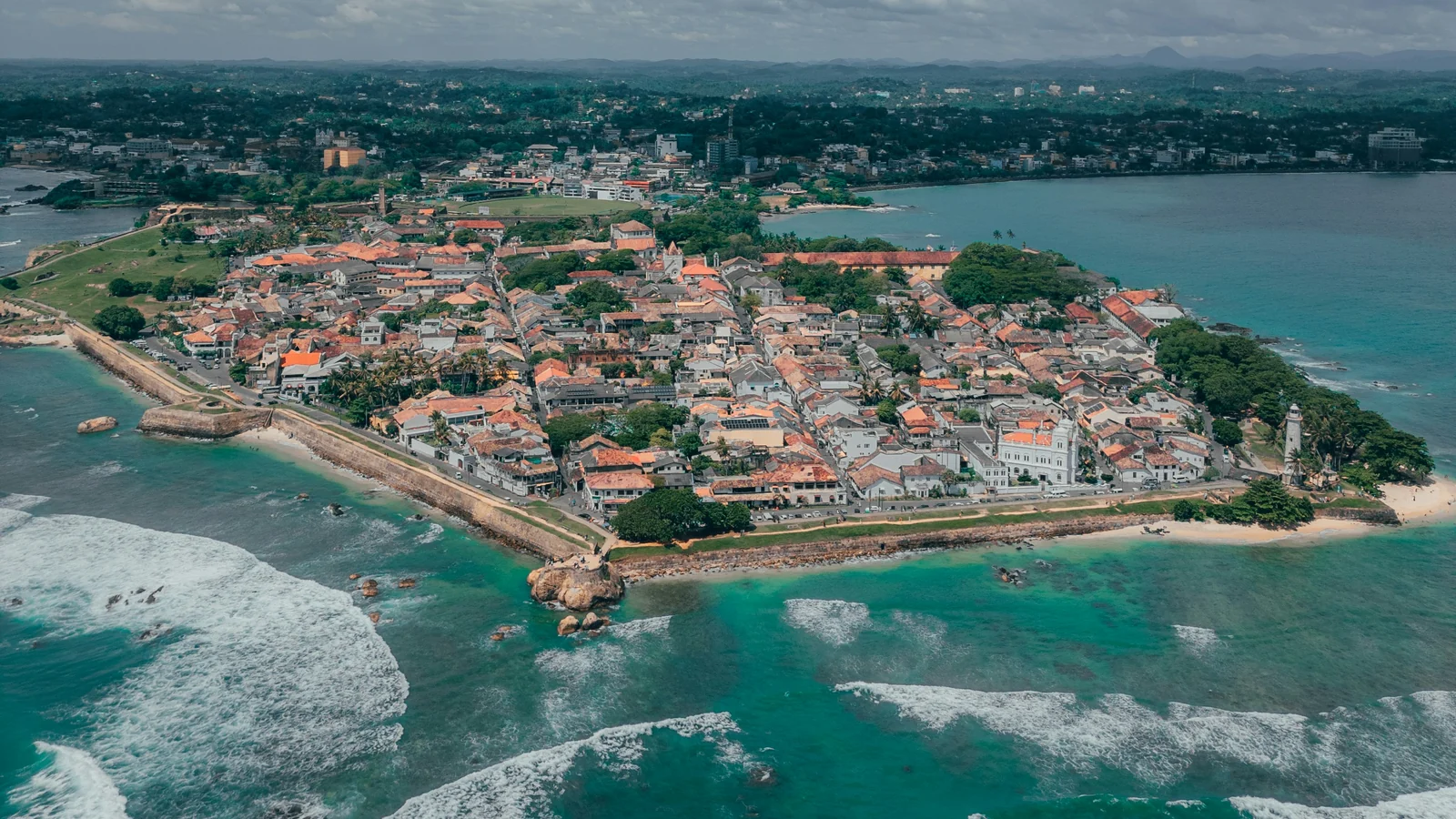
Galle Fort brings European fortification and South Asian life together within ramparts overlooking the Indian Ocean. Portuguese origins and later Dutch development remain visible in its bastions, churches, warehouses and street plan. It is not a preserved ruin but a living quarter of homes, places of worship, cafés, galleries and small hotels.
Two natural World Heritage landscapes
Sinharaja Forest Reserve
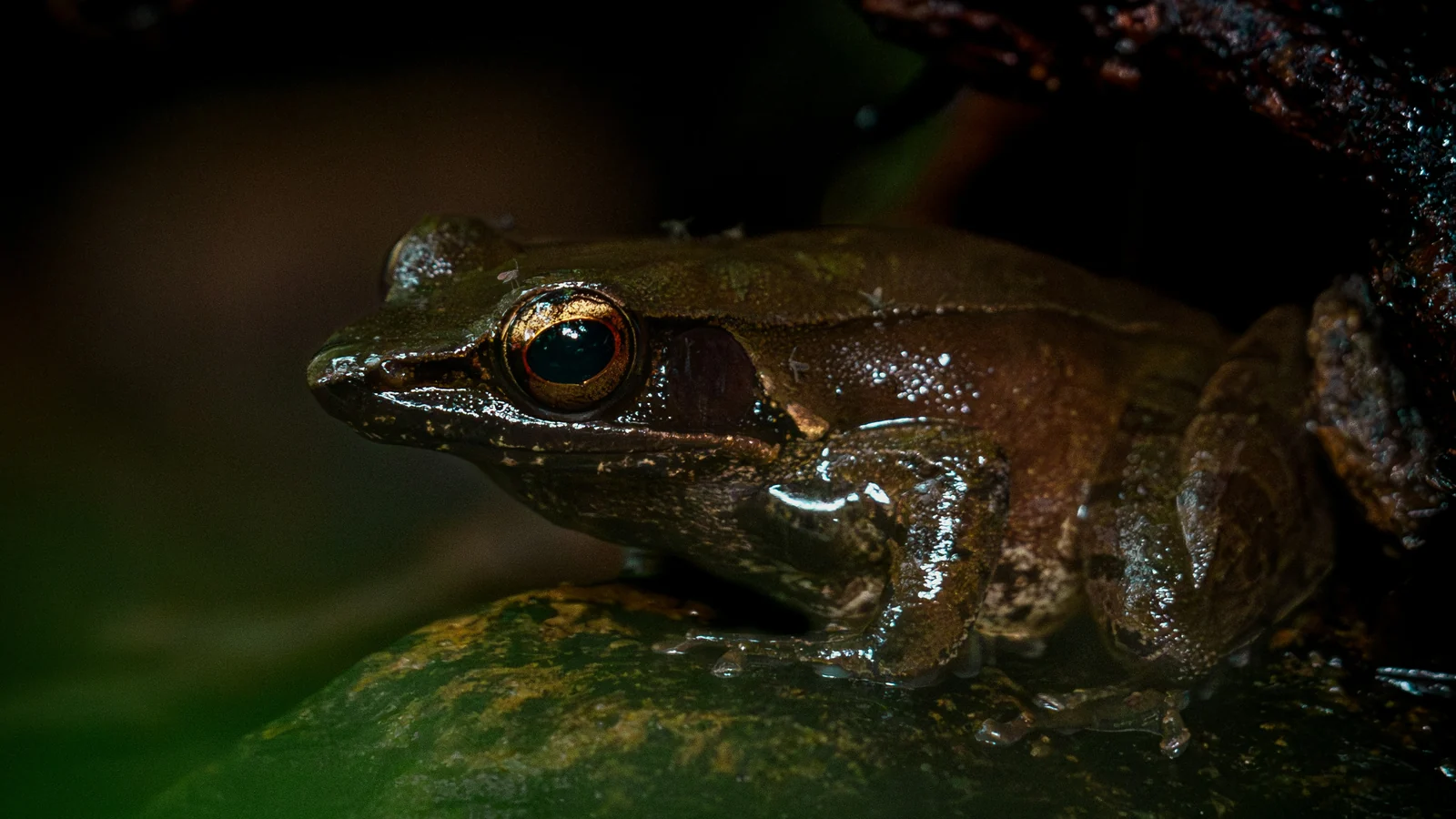
Sinharaja protects Sri Lanka's largest remaining tract of primary lowland rainforest. Guided walks enter a dense world of endemic trees, birds, butterflies, reptiles and amphibians, crossed by clear streams and small waterfalls. Rain is part of the ecosystem in every season, so lightweight waterproofs and shoes with reliable grip are useful.
The Central Highlands
This serial World Heritage Site brings together Peak Wilderness, Horton Plains and the Knuckles Conservation Forest. Montane grasslands, cloud forest and rugged ridges shelter rare and endemic species while feeding several of the island's major rivers. Experiences range from the pilgrimage climb of Sri Pada to the World's End circuit and quieter guided treks in the Knuckles.
How to plan a UNESCO route
A first journey can comfortably connect the Cultural Triangle with Kandy and one highland landscape before continuing south. Anuradhapura and Polonnaruwa benefit from full days, while Sigiriya and Dambulla combine naturally when paced well. Galle works beautifully near the end of a coastal stay.
Trying to include all eight sites in a short holiday can turn meaningful visits into a checklist. Choose the places that reflect your interests, then leave room for local life, scenic journeys and rest between them.
Visit with care
- Cover shoulders and knees at active temples and remove shoes where requested.
- Begin exposed archaeological visits early and carry drinking water.
- Use local naturalist guides in rainforest and highland reserves.
- Avoid touching murals, carvings and fragile archaeological surfaces.
- Build realistic travel time into the route rather than rushing between regions.
Make heritage part of a richer journey
Sri Lanka's World Heritage Sites become more memorable when they are connected with the landscapes and communities around them. We can combine the places that interest you with wildlife, tea country, local experiences and time by the coast.
Plan My Heritage Journey