Few islands bring leopards, elephants, rainforest birds, highland ecosystems and blue-water wildlife within such a compact journey.
The best wildlife itinerary is not simply a list of parks. Habitat, season, pace and the quality of your guide shape every encounter. Choose a few contrasting landscapes, allow quiet time in each, and remember that sightings are never guaranteed in genuinely wild places.
Choose the right safari landscape
Yala for leopards and varied habitat
Yala's dry forest, grassland, lagoons, wetlands and coastline support an exceptional variety of animals. It is best known for Sri Lankan leopards, but elephants, sloth bears, buffalo, deer, crocodiles and abundant birdlife are equally important parts of the park. Early and late drives offer softer light and more comfortable temperatures.
Udawalawe for elephants
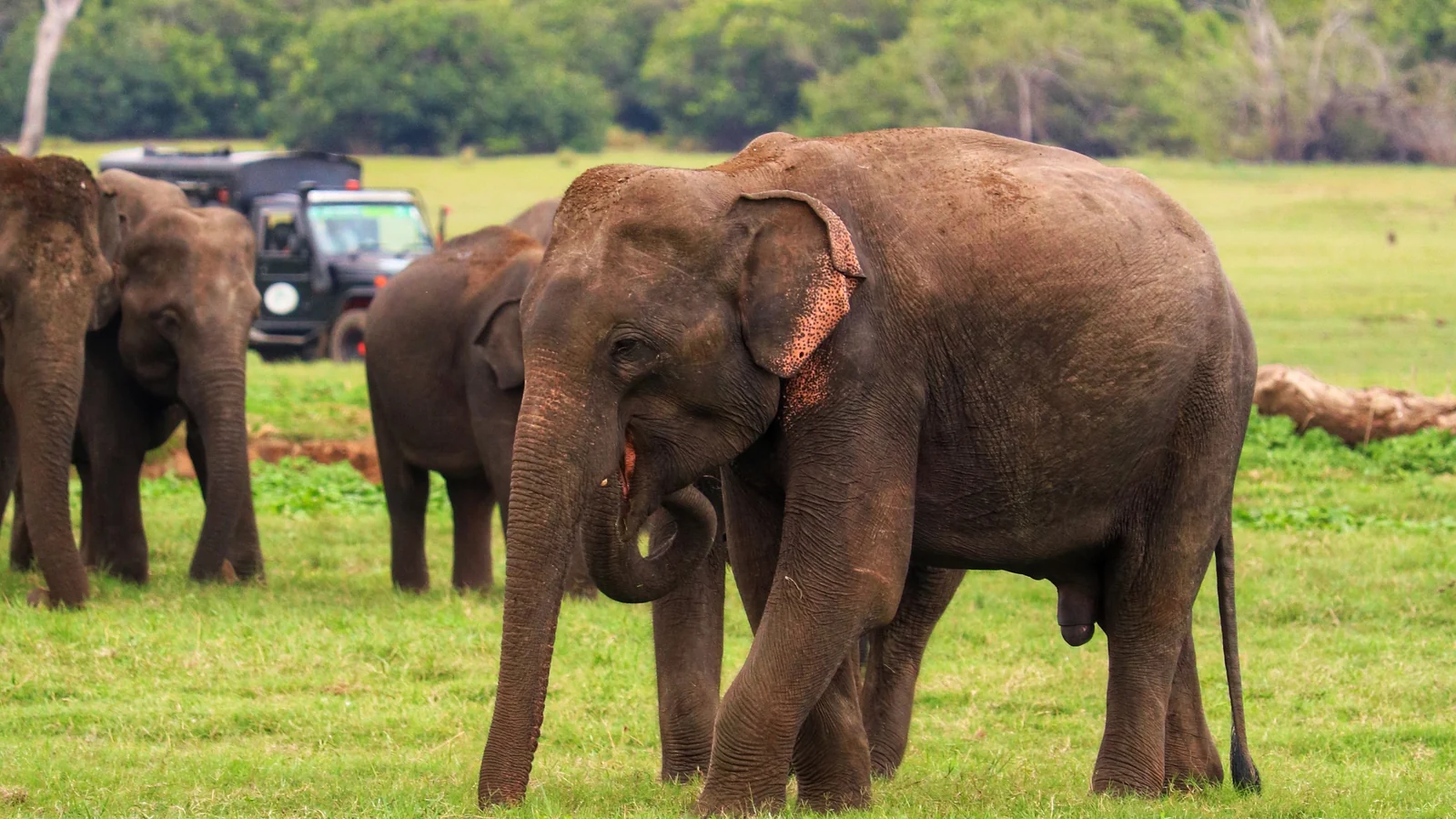
Open country around the Udawalawe Reservoir creates excellent visibility and makes this one of the island's most dependable regions for observing wild elephants. Buffalo, deer, jackals, crocodiles and raptors share the landscape. The nearby Elephant Transit Home adds useful conservation context without replacing the experience of seeing elephants range freely.
Wilpattu for quiet wilderness
Sri Lanka's largest national park is defined by forest tracks and natural rain-filled lakes known as villus. Leopard, sloth bear, elephant and deer live here, but the appeal is also the sense of space and a safari rhythm that is generally quieter than the busiest areas of Yala.
Minneriya and Kaudulla for elephant herds
These neighbouring parks form part of an important elephant corridor in the North Central Province. As water and grazing conditions change, herds move between the two. During the dry months, large numbers may gather near the ancient reservoirs, while knowledgeable local guides choose the park with the strongest recent activity.
Gal Oya for water and wilderness
Gal Oya surrounds the vast Senanayake Samudraya reservoir and offers a distinctive boat-safari experience. Elephants are sometimes seen swimming or feeding near the water, with crocodiles and rich birdlife along the shoreline. Its remote setting suits travellers who value atmosphere and patience over a fast checklist.
Rainforest and highland nature
Sinharaja rainforest
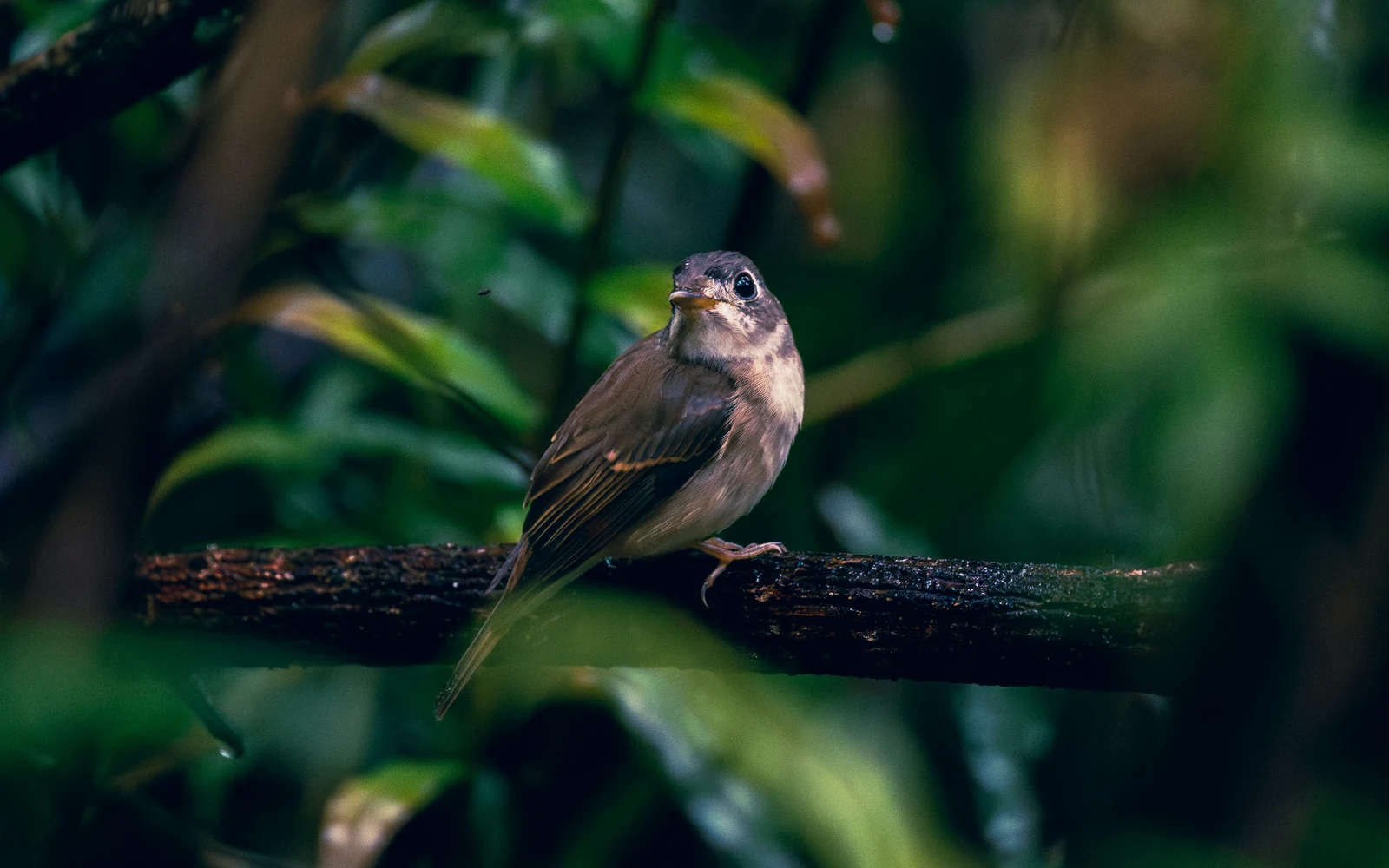
Walk with a specialist guide beneath a dense rainforest canopy where endemic birds often move in mixed feeding flocks. Reptiles, amphibians, butterflies and extraordinary plant life reward close observation. The experience is intimate and immersive: this is a place to slow down, listen and notice details.
Horton Plains, Knuckles and Peak Wilderness
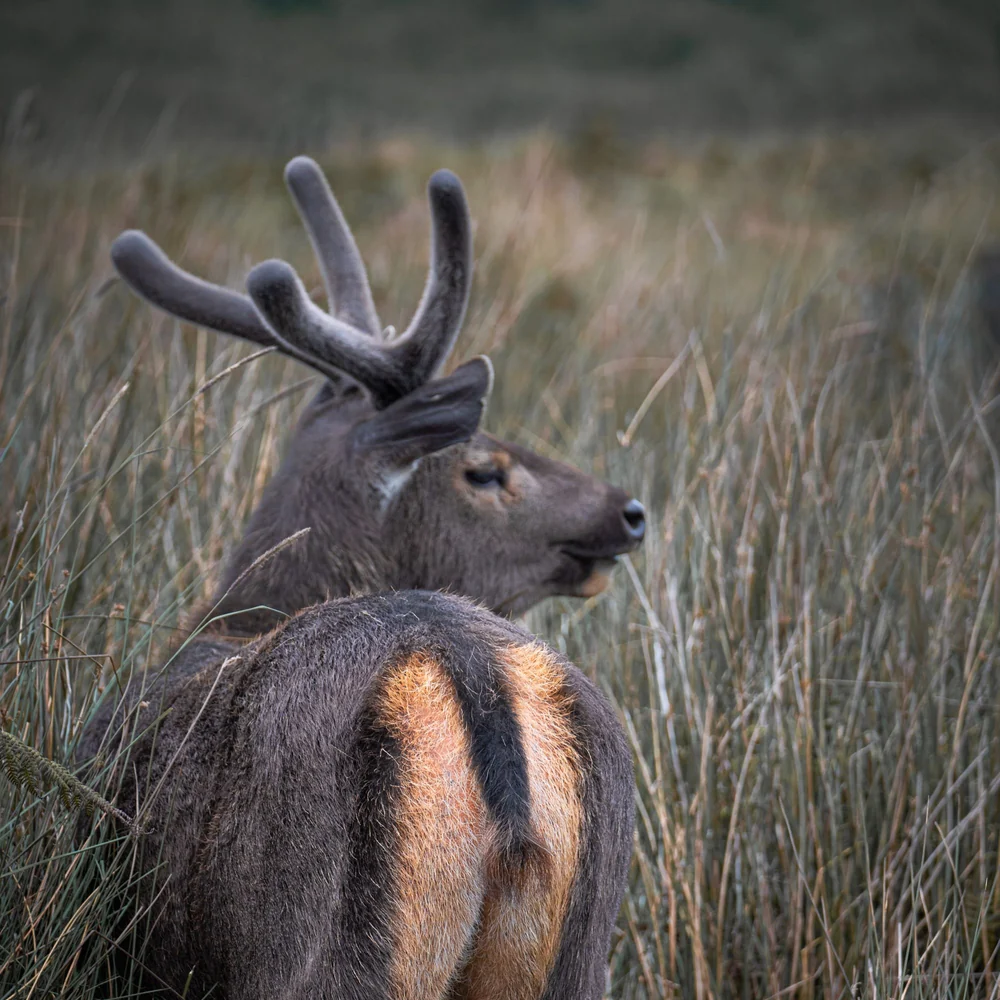
Sri Lanka's Central Highlands protect cloud forest, montane grassland and important watersheds. Horton Plains is known for sambar deer, endemic birds and the World's End walking circuit. The Knuckles offer rugged guided trails through changing habitats, while Peak Wilderness surrounds the sacred summit of Sri Pada.
Wildlife along the coast
Whales and dolphins from Mirissa
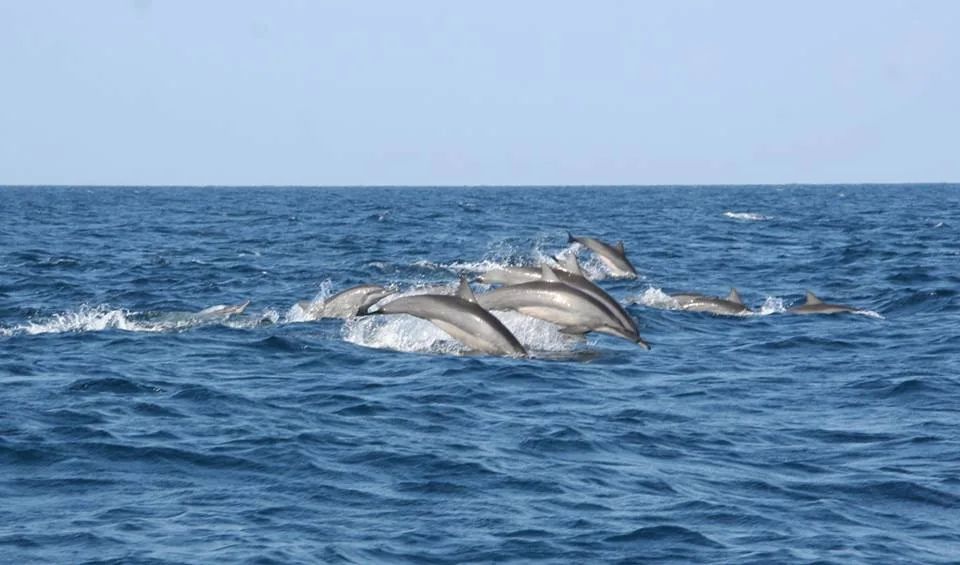
In suitable conditions, early-morning trips from Mirissa can encounter blue whales, sperm whales and dolphins. Choose an operator that maintains respectful distances, limits disturbance and treats the excursion as observation rather than pursuit.
Pigeon Island and Bundala
Off Nilaveli, Pigeon Island protects shallow coral habitat with reef fish, turtles and occasional blacktip reef sharks. In the south, Bundala's lagoons, salt marshes and scrub attract migratory and resident birds alongside crocodiles and other wildlife. These coastal ecosystems add a valuable contrast to a traditional jeep safari.
Plan a more responsible encounter
- Use experienced guides who understand animal behaviour and park rules.
- Never pressure a driver to crowd, chase or block wildlife.
- Keep noise low and give every animal a clear route away.
- Choose fewer, better-paced drives instead of racing between sightings.
- Carry binoculars so distance does not reduce the experience.
Build your journey around habitat
Pair one dry-zone safari with rainforest, highland or coastal nature for a fuller view of the island. We can shape the route around your interests, the season and the pace that makes wildlife watching rewarding.
Plan My Wildlife Journey