The best time to visit Sri Lanka depends less on finding one perfect month and more on choosing the right coast, landscape and experiences for your dates.
Sri Lanka is a year-round destination because its two monsoons do not affect every region at once. When the south and west become wetter, the east and much of the north often offer their most appealing beach weather. The central highlands and Cultural Triangle add still more options, helping a thoughtfully planned journey work in almost any month.
Use this guide as a planning map rather than a weather guarantee. Tropical conditions can change quickly, and local forecasts, sea-safety advice and your preferred pace should shape the final route.
The short answer
For a first trip combining Colombo, Galle, the south or west coast, hill country and safari, December to March is often the easiest broad window. For the east coast, Trincomalee, Nilaveli, Pasikuda and Arugam Bay, May to September is usually the stronger season. March, April and November can reward travellers who are comfortable with some rain and want a more flexible, less crowded itinerary.
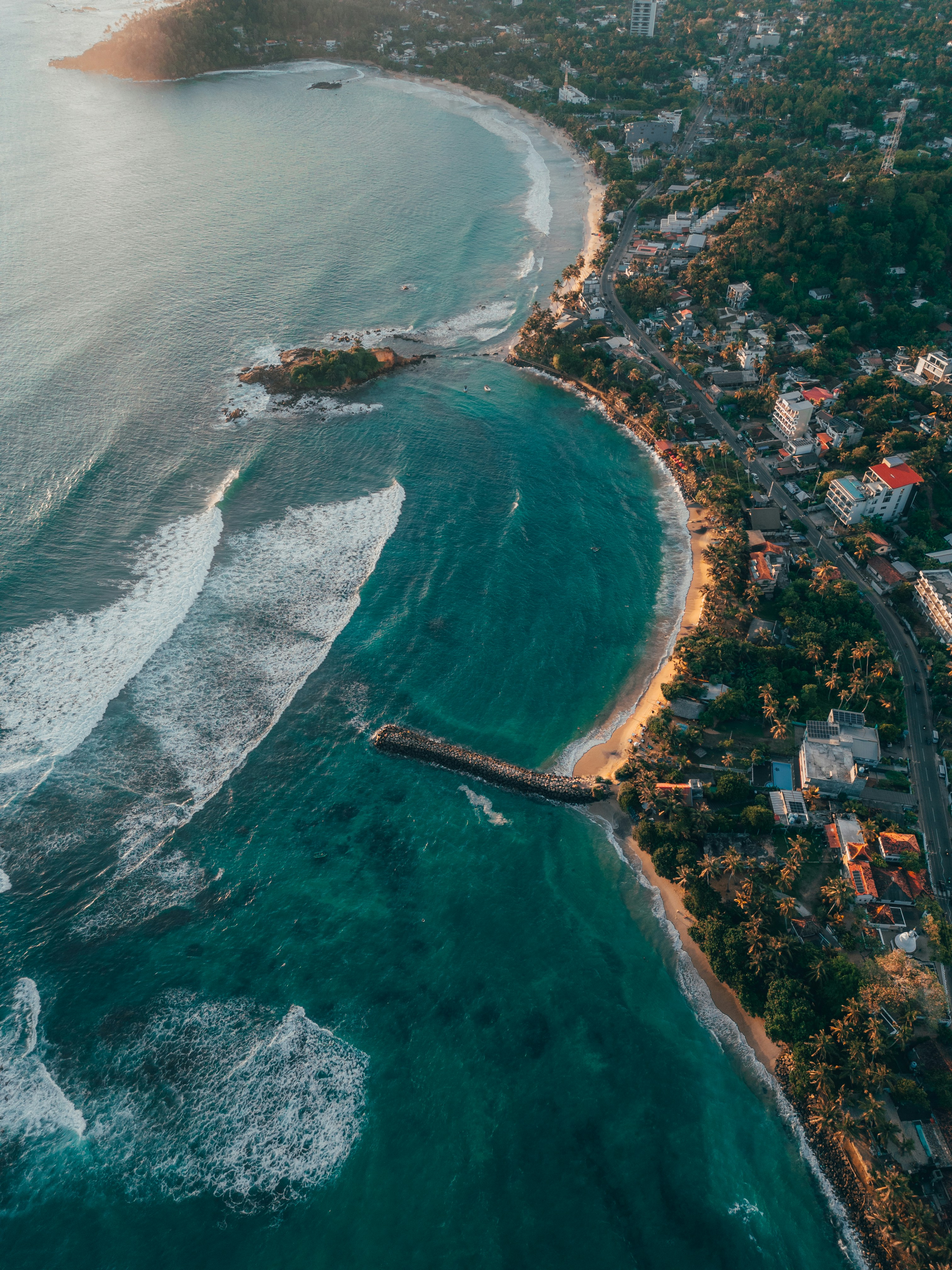
Understand Sri Lanka's two monsoons
Southwest monsoon: broadly May to September
The southwest monsoon brings more rain and rougher seas to the south and west coasts and the windward slopes of the central highlands. It does not mean every day is wet everywhere. It does mean that beach-led journeys are generally better directed toward the east, while cultural sites, inland stays and selected wildlife experiences can still work beautifully.
Northeast monsoon: broadly December to February
During the northeast monsoon, the north and east receive more rain. At the same time, the south and west coasts often enjoy their calmer, sunnier period—one reason these regions are especially popular from December through March.
The inter-monsoon months
March and April, then October and November, are transition periods. Short, intense showers can occur in many parts of the island, often later in the day. These months suit travellers whose itineraries balance several regions, have a little flexibility and value greener scenery or quieter hotels over predictable beach conditions.
Sri Lanka weather by month: where to go
| Months | Where to focus | Good for |
|---|---|---|
| January–February | South and west coast, Cultural Triangle, hill country | Beach stays, heritage, scenic rail journeys, safari |
| March–April | Many regions, with flexible plans | Island-wide routes, culture, highlands and shoulder-season travel |
| May–June | East coast, north and dry-zone experiences | Trincomalee, Nilaveli, Pasikuda, Arugam Bay and wildlife |
| July–August | East coast, Cultural Triangle and selected highland stays | Surf, east-coast beaches, elephant viewing and cultural travel |
| September | East coast and adaptable inland routes | Beaches, surf and less-busy travel before the next transition |
| October–November | Flexible multi-region itineraries | Culture, wellness, rain-refreshed landscapes and value-led stays |
| December | South and west coast, Cultural Triangle | Festive travel, beach time, heritage and safari |
These are broad regional patterns, not fixed rules. For any beach stay, always follow local safety flags and advice on swimming, surfing and boat trips.
Choose the season by travel style
For south and west coast beaches
Plan broadly from November to April for places such as Galle, Unawatuna, Mirissa, Tangalle, Bentota and Negombo. This is also the busier period, particularly around Christmas, New Year, mid-January and Easter. Booking earlier gives you more choice of the most characterful stays.
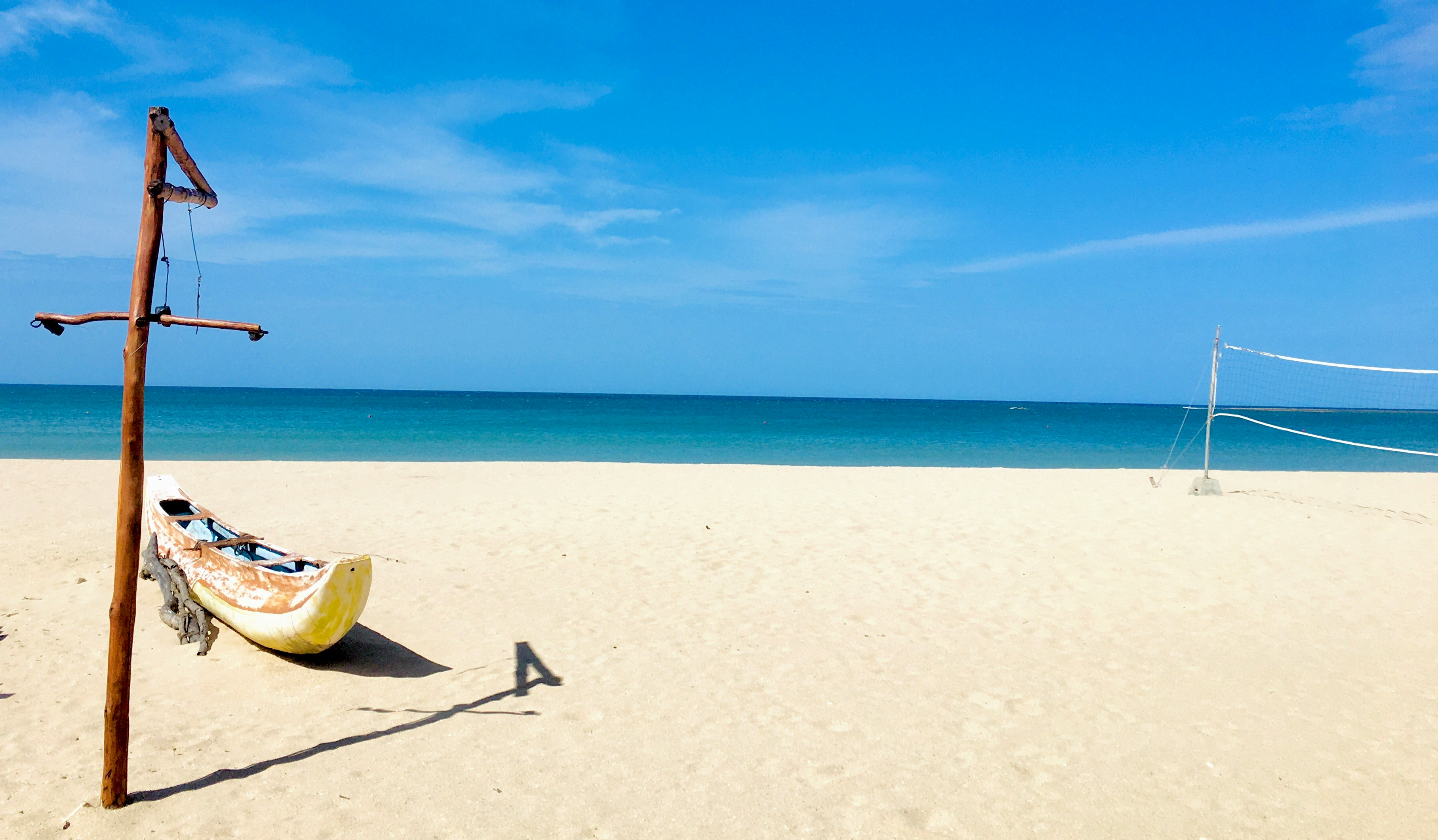
For east coast beaches and surf
May to September is a practical starting point for the east coast. Trincomalee and Nilaveli suit relaxed beach time and seasonal water activities, while Arugam Bay is known for its surf culture. Add the Cultural Triangle or a dry-zone safari to turn a beach stay into a more varied journey.

For wildlife
Wildlife is possible throughout the year, but the experience depends on the park, recent rainfall and animal movements. Dry conditions can make animals easier to spot near water, while wetter months make landscapes lush and birdlife rich. Focus on one or two well-chosen parks rather than trying to fit every safari into a single route. See our Sri Lanka wildlife guide for the different habitats to consider.
For the hill country
Ella, Haputale, Nuwara Eliya and Kandy are cooler than the coast all year. Weather can be variable, especially at elevation, but this is part of the highlands' appeal: tea country, cloud forest, waterfalls and train journeys look especially vivid after rain. Pack a light waterproof layer alongside sun protection.
For heritage and the Cultural Triangle
Sigiriya, Dambulla, Polonnaruwa and Anuradhapura can be rewarding in any season. Start early to avoid the midday heat, allow time to rest during the warmest hours and build in an afternoon with shade, a pool or a slower local experience. Pairing heritage with a safari or the highlands gives the itinerary a natural rhythm.
Five ways to plan around the weather
- Choose the coast first: south and west from roughly November to April; east from roughly May to September.
- Build in a mix of coast, culture, wildlife and highlands so one weather pattern does not define the whole trip.
- Keep boat trips and water activities flexible, especially during transition months.
- Reserve sought-after hotels early for December to March and major holiday periods.
- Check local forecasts and official alerts shortly before travel; conditions always matter more than a long-range seasonal chart.
Frequently asked questions
What is the best overall time to visit Sri Lanka?
For a classic route through the south and west coast, hill country, Cultural Triangle and a safari park, December to March is usually the most straightforward period. For a journey centred on the east coast, May to September is often better.
Is Sri Lanka worth visiting during the monsoon?
Yes. The key is to travel with the monsoons rather than against them. When rain and rougher seas affect one coast, another region may be enjoying its best conditions. Inland culture, wildlife and highlands can also be woven into a monsoon-season route.
When should I avoid Sri Lanka?
There is no month when the entire island should be avoided purely because of weather. October and November can bring more widespread, changeable rainfall, so they are best for travellers who can keep their plans flexible. If your trip depends on a specific beach or boat excursion, choose the regional season carefully and check current conditions.
Let your dates shape the right route
Tell us when you would like to travel and what you hope to experience. We will match the coast, landscapes, stays and pace to the season—so Sri Lanka feels right for your particular journey.
Plan My Sri Lanka Journey