Sri Lankan food is one of the easiest ways to understand the island: vibrant, generous, regional and full of brilliant contrast.
A morning hopper, a table of small curries, a snack wrapped in paper beside the road, a cup of tea in the hills—each belongs to a different part of the journey. This guide introduces the dishes worth seeking out and the simple habits that make eating in Sri Lanka feel relaxed and rewarding.
Start here: the dishes to try
| Dish or drink | What it is | Best moment to try it |
|---|---|---|
| Rice and curry | Rice with a changing collection of vegetable, meat or fish curries and sambols | Lunch or dinner, anywhere on the island |
| Hoppers | Bowl-shaped fermented rice-flour pancakes, often served with sambol and curry | Breakfast or dinner |
| String hoppers | Delicate steamed rice-noodle cakes served with curry and coconut sambol | Breakfast or a light evening meal |
| Kottu roti | Chopped flatbread cooked on a hot griddle with vegetables, egg, cheese, chicken or seafood | Casual dinner or late-night snack |
| Ceylon tea | Black tea grown in the central highlands, served plain or with milk | Tea-country stop or afternoon break |
There is no single definitive Sri Lankan meal. The balance of coconut, chilli, lime, spices and local produce changes from kitchen to kitchen, which is precisely why it is worth ordering with curiosity.
Rice and curry: the meal that changes every day
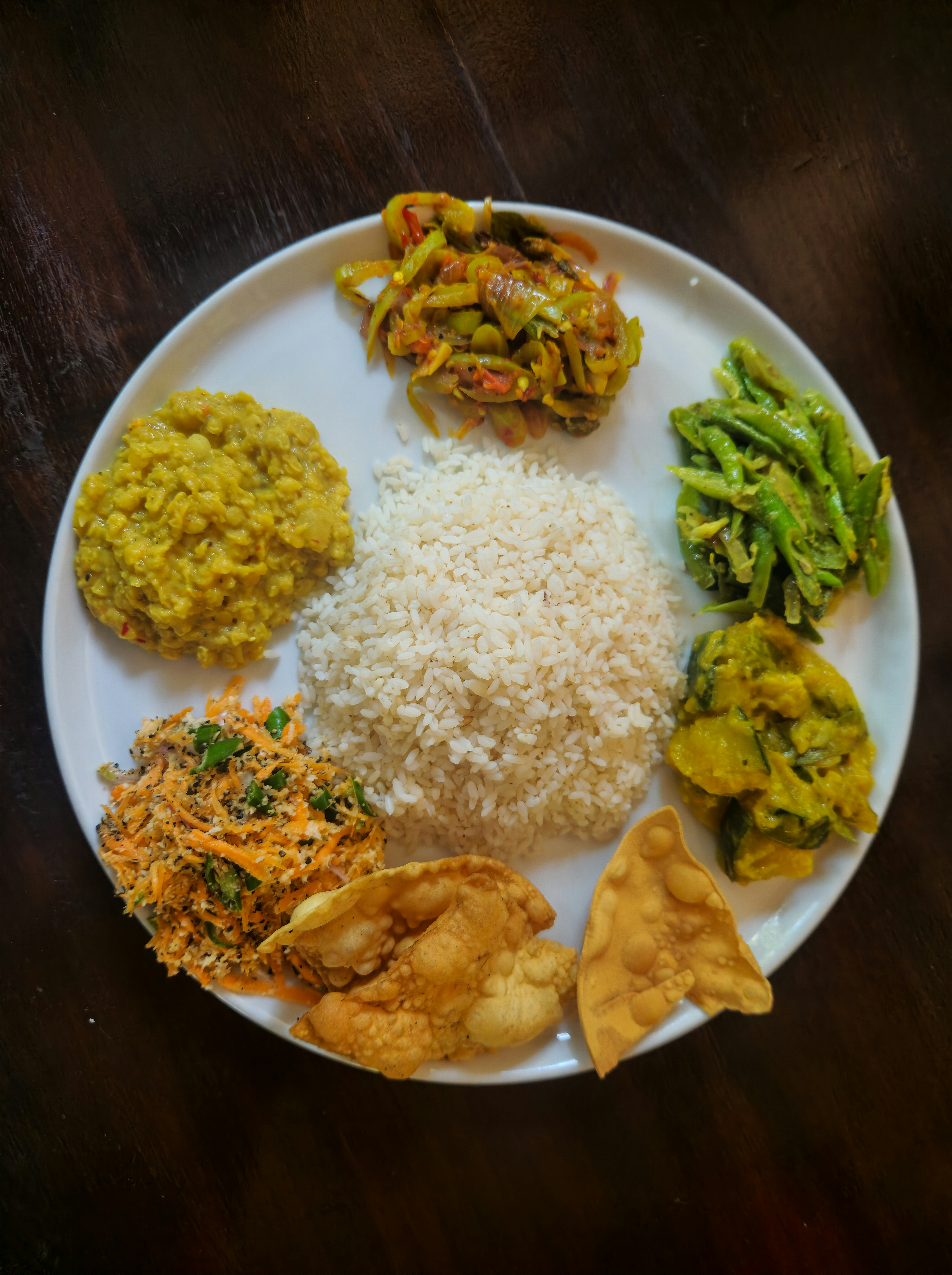
Rice and curry is not one dish; it is a generous spread. Alongside rice, you might find dhal, beetroot curry, green beans, aubergine, jackfruit, fish, chicken, coconut sambol, pickle and crisp papadum. A good plate offers different colours, textures and heat levels, so try a little of each before deciding which curry deserves a second helping.
At family-run restaurants, a rice-and-curry lunch may be served as a set selection rather than from a menu. It is one of the loveliest ways to taste the everyday rhythm of Sri Lankan cooking. Mix a little rice with each curry, then add sambol as you go: it brings coconut, lime, chilli and texture to the plate.
Breakfast worth waking up for
Hoppers and egg hoppers
Hoppers are crisp around the edge and soft at the centre. An egg hopper arrives with an egg cooked in the middle, ready to scoop with a spoonful of curry or a bright coconut sambol. They are simple, satisfying and a perfect first taste of the island's rice-based cooking.
String hoppers
These fine nests of steamed rice noodles look delicate but make a filling breakfast when paired with dhal, coconut sambol and a mild curry. They are especially comforting before an early start for sightseeing or a train journey.
Pol roti and coconut sambol
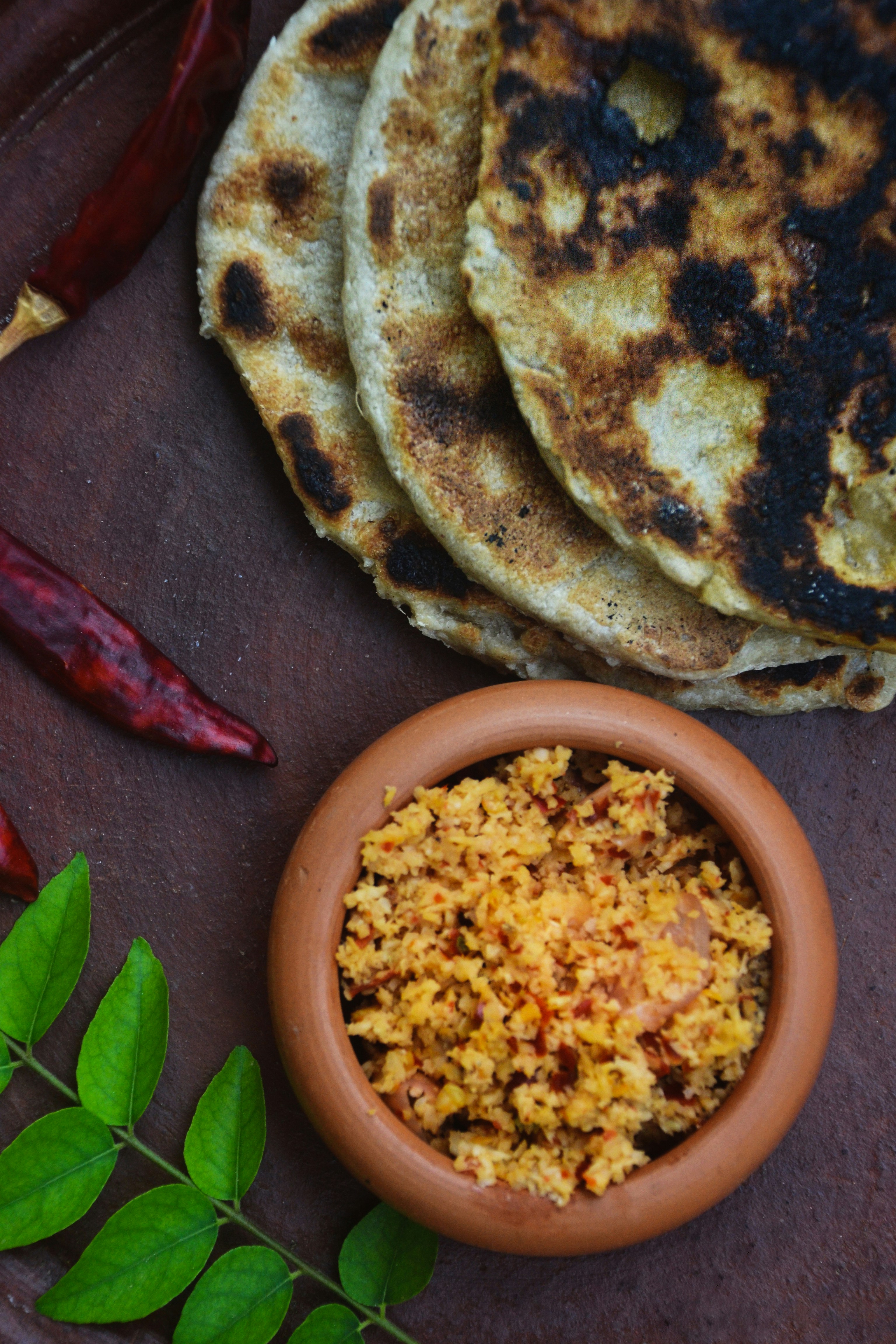
Pol roti is a rustic flatbread made with freshly grated coconut. It is best eaten warm, torn into pieces and paired with coconut sambol: a bright, textured relish usually made with coconut, chilli, onion, lime and seasoning. The creamy, smoky roti and lively sambol are a brilliant introduction to the way Sri Lankan cooking balances richness, heat and acidity.
Street-food favourites and quick eats
Kottu roti is the sound of a Sri Lankan evening: blades striking a hot metal griddle as flatbread, vegetables and your chosen filling are chopped together. Ask for the heat level that suits you. For a lighter snack, look for savoury pastries, fresh fruit, roti or a small bakery stop between sightseeing and your hotel.
Choose busy, well-kept places where food is being freshly prepared, and let your driver-guide or hotel team point you towards their favourites. They often know the one dish a particular town or family-run kitchen does especially well.
Taste the route, not just the menu
On the coast
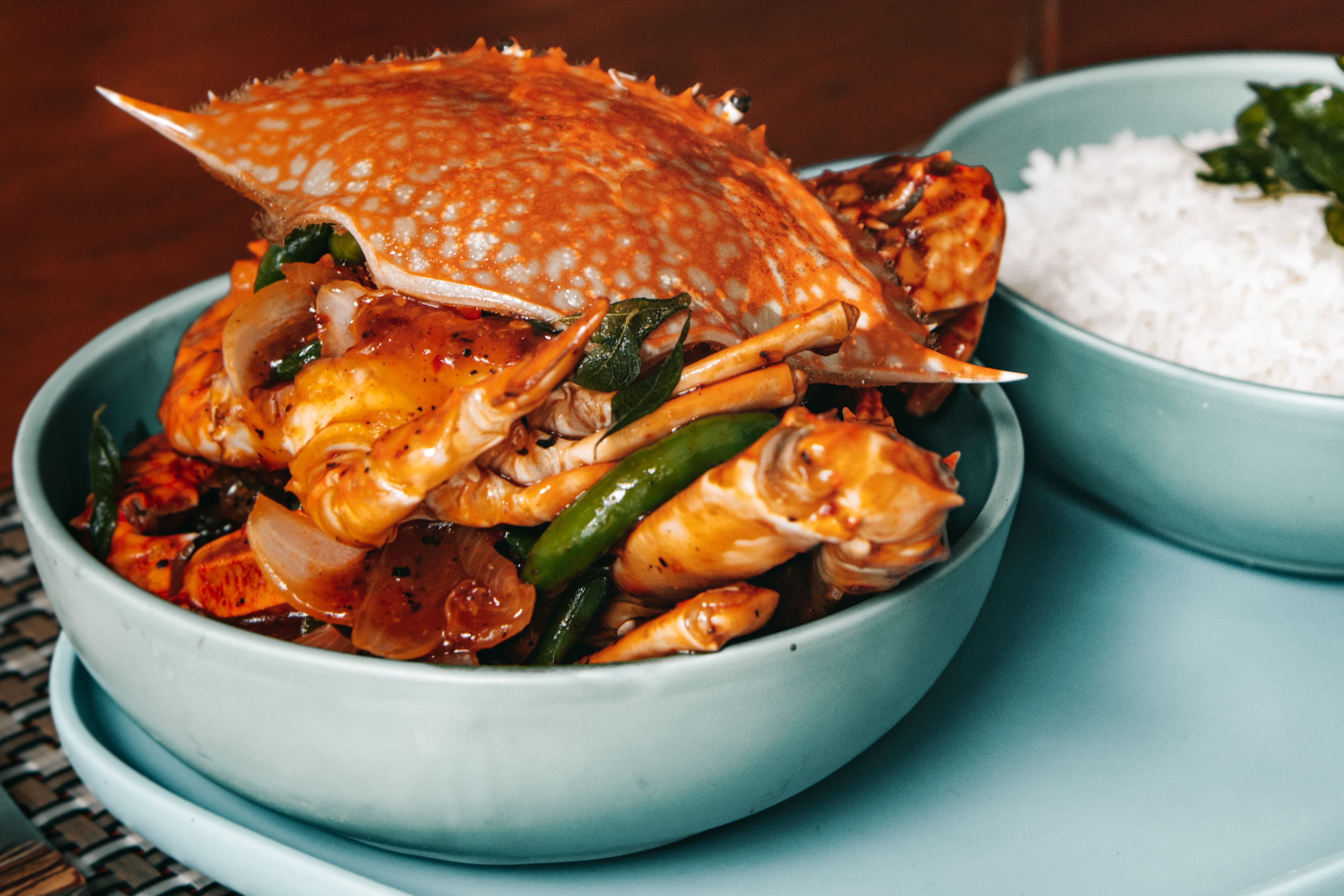
Coastal areas bring fresh fish, prawns, crab and cuttlefish to the table, often cooked simply with spices, lime and coconut. Ask what arrived that day, and choose a restaurant that treats the catch with care rather than overcomplicating it.
In the hills
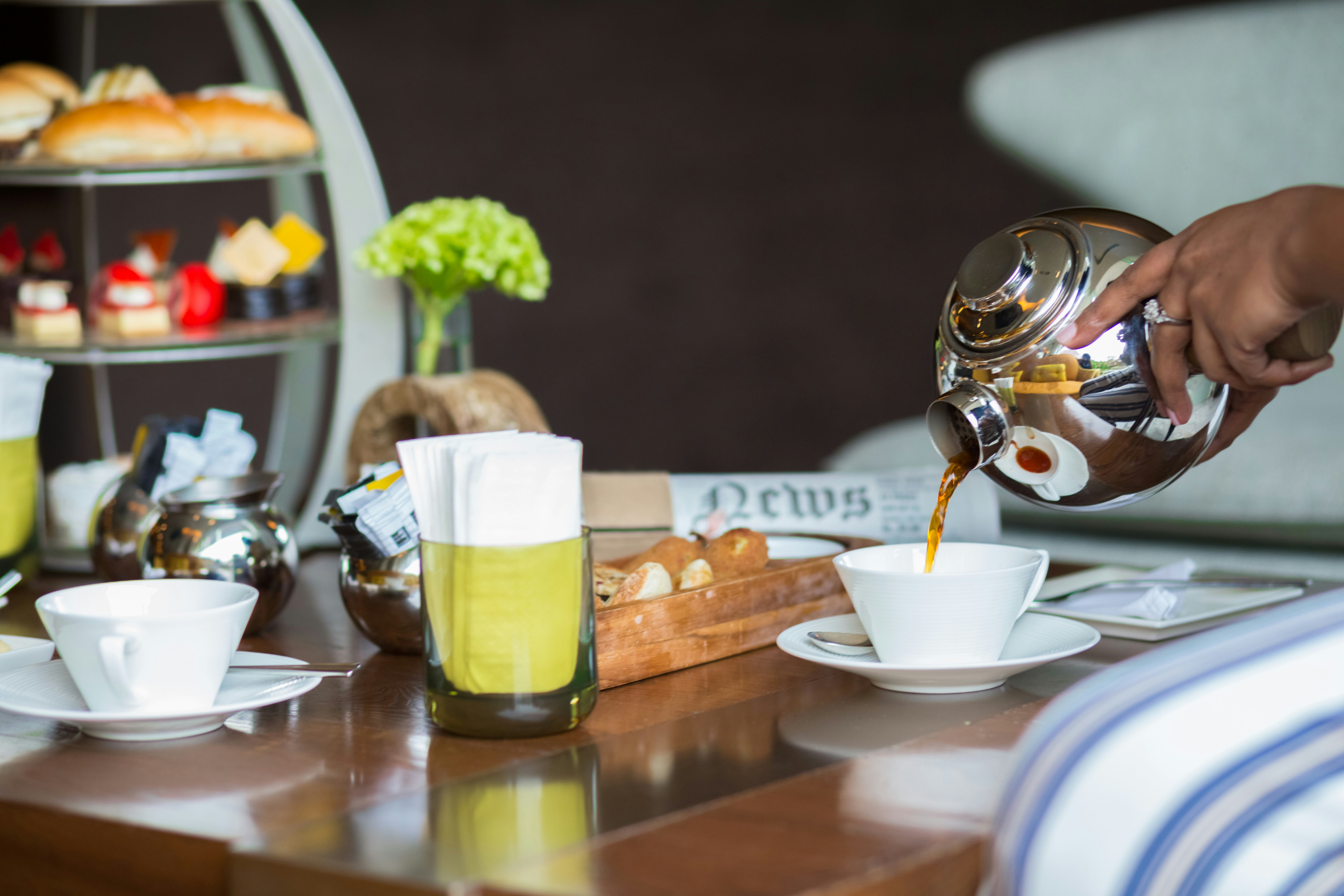
Tea country invites a slower pause. Visit an estate when it fits your route, learn how tea is grown and processed, then make time for a proper cup with the view. Our Sri Lanka destination guide can help you connect a tea-country stop with a scenic rail day.
In the Cultural Triangle
After Sigiriya, Dambulla or a village walk, look for a home-style meal with seasonal vegetables and local fruit. The food is often as memorable as the sites because it feels connected to the landscape around you.
Vegetarian, vegan and dietary needs
Vegetarian travellers have plenty to enjoy: dhal, coconut sambol, vegetable curries, jackfruit, lentils and rice dishes appear throughout the country. Vegan options are often straightforward too, although it is wise to ask about ghee, milk, egg and fish-based ingredients when they matter to you.
For allergies or strict dietary requirements, explain them clearly to your hotel and guide before arrival and again when ordering. A short written note in plain English can make communication easier at smaller restaurants.
How to order with confidence
- Say whether you enjoy chilli or would prefer a mild dish; it is always easier to add heat than remove it.
- Ask which dishes are local, seasonal or most popular that day.
- Try shared plates when you can—Sri Lankan food is made for tasting more than one thing.
- Wash hands before eating if you choose to eat in the traditional style.
- Keep your first very spicy meal modest, especially early in the trip.
- Use your guide or hotel team for recommendations that match your dietary needs and comfort level.
Build food into your itinerary
Food tastes better when the journey has enough time for it. Avoid scheduling every meal around a transfer, and leave room for a tea stop, local market visit or unplanned lunch. For a balanced first route, explore our Signature Journeys, then choose the coast around your dates with our best time to visit Sri Lanka guide.
Frequently asked questions
What food should I try in Sri Lanka?
Start with rice and curry, hoppers, string hoppers, kottu roti, coconut sambol and Ceylon tea. Add fresh seafood on the coast and home-style vegetable curries whenever you have the opportunity.
Is Sri Lankan food spicy?
It can be, but every dish is different. Tell your server if you prefer less chilli, and begin with a small amount when trying sambols, pickles or an unfamiliar curry.
Can vegetarians eat well in Sri Lanka?
Yes. Vegetable curries, dhal, jackfruit, coconut dishes and rice are widely available. Explain any specific dietary requirements clearly when you order.
Follow the flavours of Sri Lanka
Tell us the experiences that excite you—tea country, local kitchens, fresh seafood or a little of everything. We will build a Sri Lanka journey with flavour, comfort and meaningful local connection.
Plan My Sri Lanka Trip