Sri Lanka’s temples, shrines and sacred sites are among the most meaningful places a visitor can experience. They are also active spaces of worship, memory and community. A little preparation helps you feel at ease: dress modestly, follow the local guidance and approach the visit as a guest rather than an observer passing through.
The short answer
Cover shoulders and knees, remove shoes and hats when asked, speak quietly and follow the instructions at the site. Ask before taking photographs, never pose disrespectfully with sacred images and give worshippers plenty of space. When in doubt, watch what local visitors and your guide do, then follow their lead.
Dress with care
For Buddhist and Hindu temples, modest clothing is the safest and most respectful choice. Wear something that covers your shoulders and knees; light trousers, a longer skirt or dress, and a loose shirt are often comfortable in the heat. Carrying a scarf or light cover-up makes it easy to adapt without changing your whole day.
- Avoid very short shorts, very short skirts, sleeveless tops and see-through clothing.
- Choose breathable fabrics that will still be comfortable in sun and humidity.
- Keep a cover-up in your day bag, even if you are travelling from the beach.
- Follow any additional rules shown at the entrance or explained by staff.
Requirements can vary between sites and occasions. A special festival, a working monastery or a particular shrine may have its own expectations, so the on-site guidance always comes first.
Shoes, hats and entering sacred areas
At many sacred places, visitors remove shoes and hats before entering designated areas. You may find a shoe counter, a clear instruction sign or a point where local visitors pause to remove footwear. Do the same, and keep your shoes together or use the service provided.
Stone surfaces can be hot in bright sun. A pair of socks in your bag can be useful where permitted, but do not assume they are acceptable everywhere—ask if you are unsure. Move carefully and keep bags out of the way in narrower spaces, queues and prayer areas.
Buddha images and sacred objects
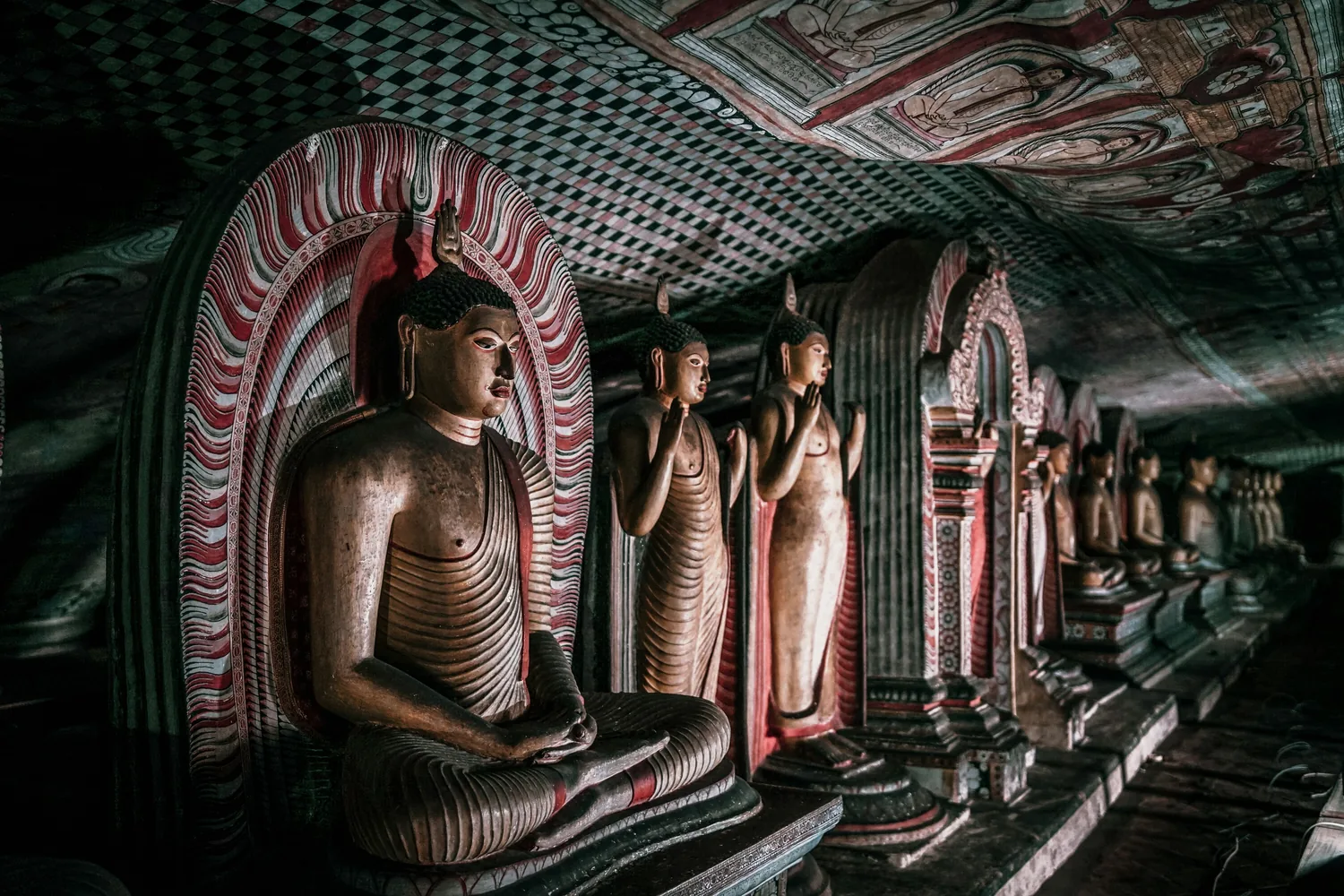
Images of the Buddha deserve particular care. Do not climb on, touch or sit beside a statue for a photograph. Do not pose with your back to a Buddha image, and avoid casual or playful poses around sacred objects. Your guide can point out the correct direction of movement or places where photography is not appropriate.
The same spirit applies at Hindu temples and other sacred sites: do not cross barriers, enter restricted areas, handle offerings or assume that an object is there for visitors to examine. Ask first and let the people who care for the place set the boundaries.
Photography: ask, then observe
Some sites allow photography in certain spaces; others restrict it entirely or during ceremonies. Always look for signs and ask a guide, staff member or worshipper before using the camera. Switch off flash where requested, keep your phone silent and never block a doorway, procession or prayer space for a picture.
- Ask before photographing people, monks, priests, families or worshippers.
- Do not photograph private prayer, grief or a ceremony simply because it is visually striking.
- Respect restrictions inside shrines, caves and museum-style display areas.
- Do not use a drone without checking current legal requirements and obtaining explicit permission for the location.
For broader guidance on thoughtful images throughout the island, see our Sri Lanka photography guide.
How to behave during your visit
Quiet, observant behaviour is usually the best guide. Keep voices low, move slowly and avoid pointing feet towards sacred objects where the local custom calls for care. If people are making offerings or waiting in a queue, give them space and do not step into their view for a photograph.
If you would like to make a donation, use the designated box or ask your guide how it is normally done. Do not feel pressured to give money to individuals. A small, respectful donation is more meaningful when it is voluntary and handled in the way the site requests.
Visiting with children
Children are welcome at many sacred sites when adults help them understand the setting. Explain the simple rules before you enter: quiet voices, no climbing, no running, no touching statues and no photographs without permission. Choose cooler times of day, carry water and take breaks—the experience is better when nobody is overwhelmed by heat or tiredness.
Where this guidance matters most
Temple etiquette is useful throughout Sri Lanka, from large sites such as Kandy and Dambulla to smaller village shrines. It is especially important during festivals and busy worship periods, when the needs of local participants must come before visitor schedules. Our Sri Lanka festivals guide and responsible travel guide offer further context.
If you are travelling north, the cultural landscapes and Hindu traditions around Jaffna deserve the same curiosity and respect. Explore our Jaffna culture guide before you go.
Frequently asked questions
What should I wear?
Wear modest clothing that covers shoulders and knees, and carry a light cover-up. Follow the guidance at the individual site, as requirements can vary.
Do I need to remove my shoes?
At many Buddhist and Hindu sacred places, visitors remove shoes and hats before entering designated areas. Follow signs and staff instructions, and carry socks for hot ground where appropriate.
Can I take photos?
Rules vary. Ask first, follow posted guidance and never photograph worshippers or ceremonies without permission. Do not pose with your back to Buddha images.
Can children visit temples?
Yes, when they are accompanied and helped to follow the same rules on dress, quiet behaviour, footwear and photography. Choose cooler times and carry water for outdoor sites.
Travel with respect
Discover Sri Lanka’s living culture thoughtfully
Eeily Travels can create a route that brings the island’s sacred places, stories and communities into your journey with care.
Request a quote