Sri Lanka is unusually rewarding for photographers because the scenery changes so quickly. A single journey can move from ancient stone to tea-covered hills, from quiet temple courtyards to a wild coastline. The most memorable photographs rarely come from racing across the island. They come from returning to a view in better light, listening to a guide’s local knowledge and giving each place enough time to become more than a backdrop.
The short answer
Build a Sri Lanka photography trip around two or three regions, not every famous viewpoint. Plan early mornings and late afternoons for major locations, keep the middle of the day lighter, and make respect for people, wildlife and sacred places the foundation of every photograph.
Choose locations by story, not just scenery
Ancient cities and sacred places
Sigiriya, Anuradhapura, Polonnaruwa, Dambulla and Kandy offer strong shapes, textures and layers of history. Early arrival can mean gentler light and a calmer atmosphere. Treat these sites as living cultural and religious places first: follow visitor rules, dress appropriately and be discreet around worshippers. Our UNESCO World Heritage Sites guide is a useful way to shape this part of the route.
Tea country and the highlands
Tea slopes, mountain weather and rail lines create a softer, more atmospheric visual language. Mist, rain and low cloud are not always a problem—often they are the scene. Give yourself more than one morning in the hills, and let conditions guide the day. Our tea country guide explains how to create a comfortable highland itinerary.
Coast and everyday life
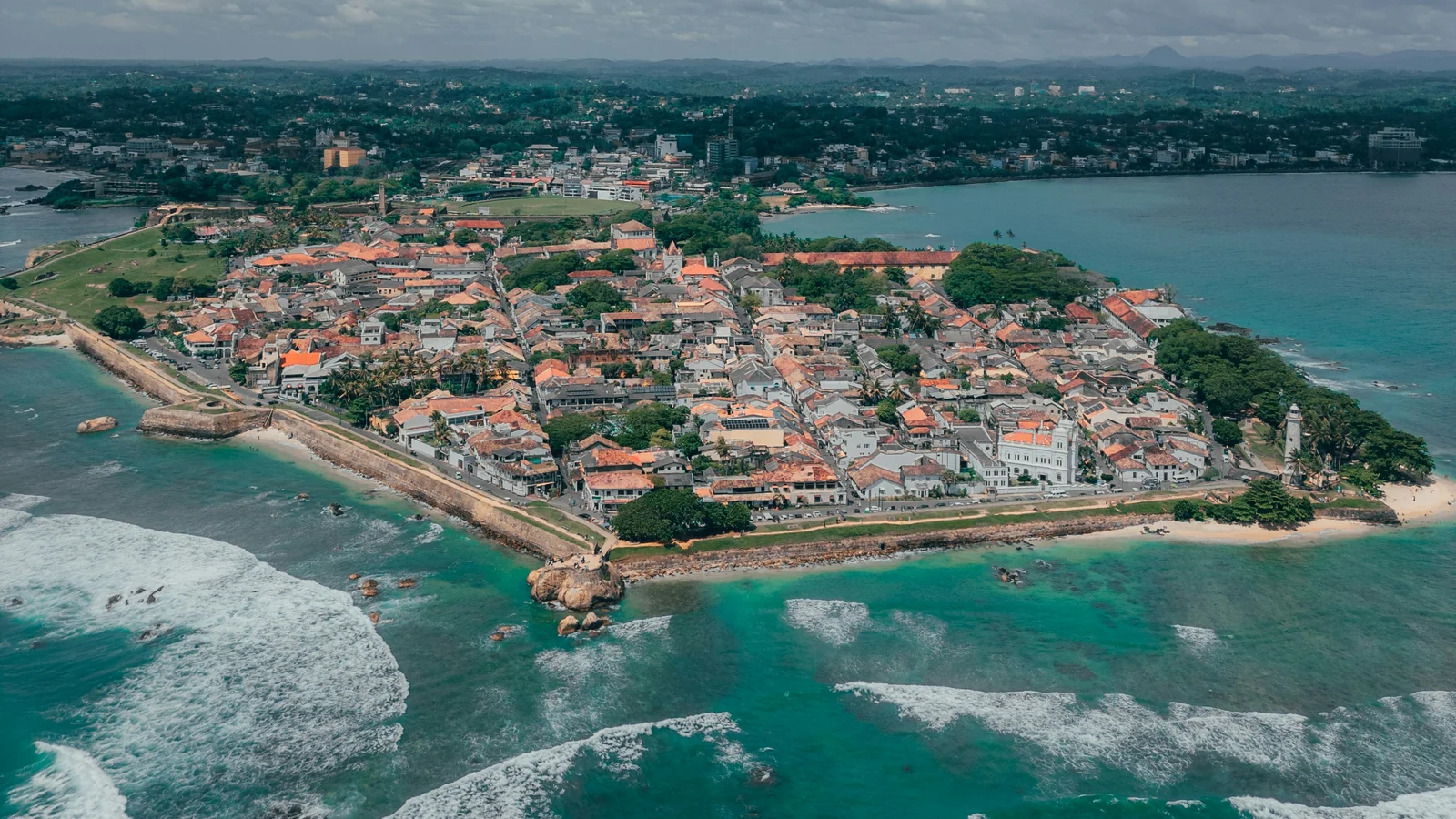
Beaches, fishing towns, markets and fort streets are best photographed with patience rather than intrusion. Spend time in a place before raising the camera. A meal, a conversation or a guided walk can reveal the rhythms worth noticing. For a southern cultural stop, see our Galle Fort guide.
Wildlife and rainforest
Wildlife photography should be built around distance and care, never a guaranteed shot. Tell your guide that responsible observation matters more to you than getting close. Our birdwatching guide and Yala safari guide share practical ideas for a low-impact wildlife day.
Plan for better light and calmer days
Early morning and late afternoon are usually the most comfortable times to photograph outdoors. The light is softer, temperatures are more manageable and many places feel less hectic. Use the brighter middle hours for travel, a long lunch, editing, a museum or rest at your hotel.
Weather patterns differ across the island, so do not fix a complex shoot around one forecast weeks ahead. Keep room to swap activities, revisit a viewpoint or stay an extra morning in a region you love. Our best time to visit Sri Lanka guide can help you match your route to the season.
Photograph people with care
The strongest portraits begin with connection, not a long lens. Ask before photographing someone, especially workers, children, religious participants or people in a private moment. A smile and a simple question go a long way; if communication is difficult, a local guide can help you ask respectfully.
- Accept “no” immediately and warmly, without asking again.
- Do not photograph people in distress, worship or grief for visual impact.
- Ask before photographing inside homes, shops, kitchens and workshops.
- Offer to show the image afterwards when appropriate, but do not make promises you cannot keep.
- Let your guide advise on local customs and sensitive locations.
Keep wildlife wild
A photograph is never worth changing an animal’s behaviour. Stay in the vehicle or on the path where instructed, keep sound low and never ask a driver or guide to move too close. Do not feed, bait, touch or chase wildlife, and avoid flash at close range.
The same principle applies to drones: requirements, permissions and restricted areas can change, so check current information with the relevant Sri Lankan authorities before you travel. Never fly near wildlife, sacred sites, crowds or sensitive locations without explicit approval.
What to pack
- A versatile camera and lens combination you already know how to use.
- Extra batteries, memory cards, a charger and a compact power bank.
- A rain cover or dry bag for the hills, rainforest and boat outings.
- A small cloth and blower for dust, sea spray and humidity.
- Comfortable shoes, sun protection, water and a light layer for early starts.
- A compact tripod only where it is practical and permitted; never block paths or other visitors.
Keep your kit light enough that it does not control the trip. A simple setup carried every day is more useful than equipment that stays at the hotel.
A photography-friendly route
For a first trip, combine the Cultural Triangle or Kandy with the highlands and one coastal or wildlife base. This gives you architecture, landscape, texture and people-focused imagery without constant long drives. A private driver can help you reach locations at comfortable times, provided you agree on reasonable days and avoid pressuring anyone to speed; see our private driver guide.
Choose fewer bases and give each one two or three nights where possible. The opportunity to revisit a location in a different light is often the difference between a quick travel record and an image you genuinely love.
Frequently asked questions
Is Sri Lanka good for photography?
Yes. The island offers ancient cities, tea country, wildlife, coast and everyday life within a compact journey. A well-paced route gives you time to photograph each setting properly.
When is the best time to take photos?
Early morning and late afternoon usually offer softer light and more comfortable temperatures. Seasonal conditions vary by region, so keep the itinerary flexible.
Can I photograph people?
Ask permission first, particularly for portraits, workers, children and religious participants. Treat people as collaborators in the moment, not subjects to capture without consent.
Can I fly a drone?
Rules and permissions can change. Check current requirements with the relevant Sri Lankan authorities before flying, obtain any necessary approvals and never fly near wildlife, sacred places, crowds or sensitive sites without explicit permission.
Travel with attention
Build a Sri Lanka route that gives you time to see more
Eeily Travels can shape a private itinerary around the landscapes, experiences and pace that matter most to you.
Request a quote