Galle Fort is where a Sri Lanka south-coast stay slows down. Sea air moves across the ramparts, narrow lanes lead past weathered facades and the old town stays alive as a neighbourhood—not merely a monument.
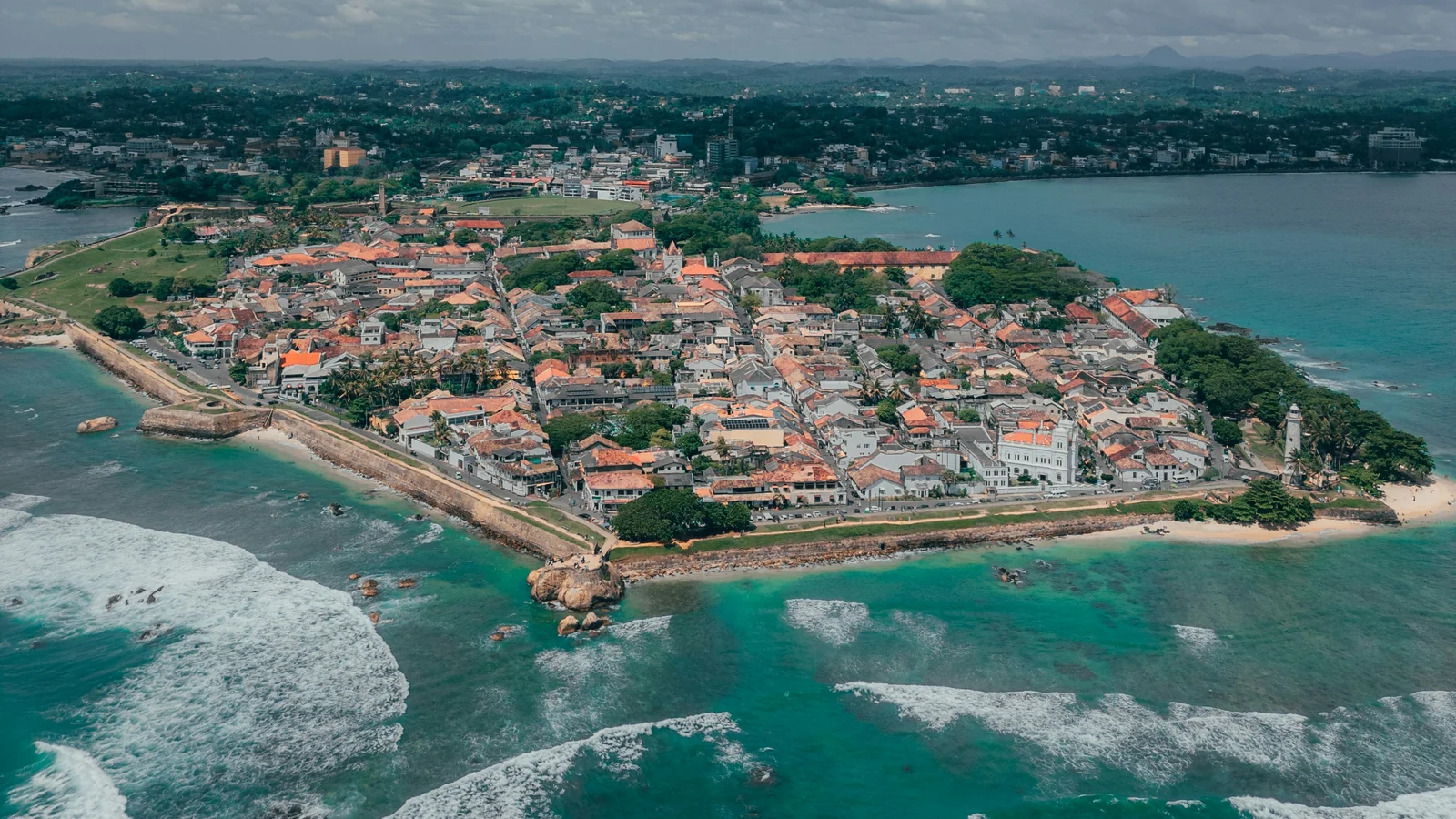
On a rocky promontory above Galle Bay, the old town and its fortifications form a UNESCO World Heritage site. The Portuguese established the town in the 16th century, while the Dutch shaped much of the fort we see today. UNESCO describes it as an exceptional meeting of European planning and South Asian traditions. The best visit leaves room to notice that mix: verandas, courtyards, places of worship, working homes and the Indian Ocean just beyond the walls.
Start with the ramparts
The fort's sea-facing walls are the clearest way to understand the place. Begin early or return toward late afternoon, when the light softens and walking feels easier. Choose one stretch at a time rather than trying to cover the entire circuit at speed: stop at a bastion, look across the ocean and watch the town shift from its coastal edge to its quiet lanes.
The lighthouse and the ramparts around it are natural landmarks, but there is no need to turn a walk into a race for every viewpoint. The fort is compact enough to explore on foot; uneven surfaces, heat and sudden showers are the reasons to wear comfortable shoes, carry water and keep a light rain layer handy.
Let the old streets set the pace
Inside the walls, the pleasure is in wandering with a loose plan. Look for the changing architectural details: shaded verandas, timber doors, small gardens and streets laid out on a Dutch-era grid. Galle Fort's significance is not only its individual buildings but the way its living townscape, ramparts and seascape relate to one another.
Make time for a gallery, a bookshop, a craft studio or a relaxed coffee break, then continue without forcing a precise route. The lanes can be busiest around the middle of the day, so an early start or a later walk offers a calmer experience.
A short history that changes the walk
Galle was developed as a fortified town by the Portuguese and reached its fullest form under Dutch rule in the 18th century. Sri Lanka Tourism calls the Dutch fort at Galle one of Asia's best preserved, noting its massive bastions, grid of streets and original Dutch bungalows. British influence followed, and the town continues to evolve as a residential and commercial place.
That layered story matters when you visit. Treat homes, religious buildings and businesses with the same care you would bring to a neighbourhood elsewhere. Keep voices low near worship, ask before photographing people or private interiors and do not climb on walls, monuments or structures not intended for access.
How long to stay
A half-day visit works if your route is tight, but an overnight stay is more rewarding. Arrive in time for an evening rampart walk, sleep nearby, then explore the streets before the day becomes busy. Two nights is a comfortable choice for travellers who want to combine the fort with southern beaches, a leisurely meal or some independent browsing.
- One night: ideal for the ramparts, the old town and a relaxed dinner.
- Two nights: adds breathing space for galleries, cafés, shopping and a nearby beach.
- Three nights or more: makes sense when Galle is a base for the wider southern coast rather than a single stop.
For help matching coast, weather and route, start with our best time to visit Sri Lanka guide. A trusted local planner can also help decide whether to stay inside the fort or use it as a day visit from another south-coast base.
Eat and shop with intention
Galle Fort has an inviting mix of restaurants, small shops and creative businesses. Enjoy it, but look beyond the easiest souvenir. Ask where an item was made, choose pieces you will genuinely use and favour makers whose work you can understand. For ideas that travel well, see our Sri Lanka souvenirs and crafts guide.
Dining is often most enjoyable when you leave one meal open to a local recommendation. Sri Lankan food can be as simple as a well-made curry, roti or rice dish; use our Sri Lanka food guide to recognise favourites and dietary-friendly choices across the island.
Add a little of the southern coast
Galle Fort works particularly well as a cultural pause between Colombo and the beaches further south. Do not try to squeeze every beach, surf stop and wildlife experience into a single day. Choose one nearby coastal outing, return to the fort at an unhurried hour and let the itinerary remain spacious.
If your onward route includes beach time, the seasonal guidance in our Sri Lanka diving and snorkelling guide can help you begin a conversation about where to go next. Your accommodation or guide can confirm the day's conditions and practical arrangements locally.
Practical tips for Galle Fort
- Walk at the right time: early morning and late afternoon are kinder for the ramparts; use the hottest hours for indoor stops or a rest.
- Wear shoes with grip: surfaces can be uneven and wet after rain.
- Carry water: the coastal heat can be stronger than a short walk suggests.
- Plan transfers generously: traffic and weather can affect south-coast journey times, so avoid tight connections.
- Respect the setting: Galle Fort is a living World Heritage town—leave no litter, do not climb where access is restricted and ask before photographing people.
For wider route-planning advice, read our Sri Lanka travel tips and packing list.
Galle Fort FAQs
Is Galle Fort worth visiting?
Yes. It is one of Sri Lanka's most atmospheric cultural stops, combining a walkable historic town, rampart views, food, independent shops and easy links to the south coast.
How long do you need in Galle Fort?
Half a day covers the essentials, but one or two nights allows you to experience the fort at its quietest and explore without rushing.
When is the best time to walk Galle Fort?
Walk early or late in the day for cooler conditions and gentler light. In the middle of the day, pause in shade, drink water and plan fewer outdoor stops.
Plan the south coast
Build a Galle stay with room to wander.
Eeily Travels can shape a southern Sri Lanka route around your pace, interests and the season.
Request a Quote