Birdwatching in Sri Lanka is not limited to one park or one type of traveller. A morning in the forest, a slow walk through a wetland or an observant safari can add a deeper layer to a holiday already shaped around culture, beaches or the highlands. The best sightings usually come from patience, a good guide and the willingness to pay attention to the habitat around you.
The short answer
Sri Lanka is an excellent birdwatching destination because several very different habitats fit into one itinerary: rainforest, montane forest, dry-zone woodland, lakes, lagoons and coast. Rather than racing between every famous location, choose two or three habitats that match your route and give each one an unhurried early morning or late afternoon.
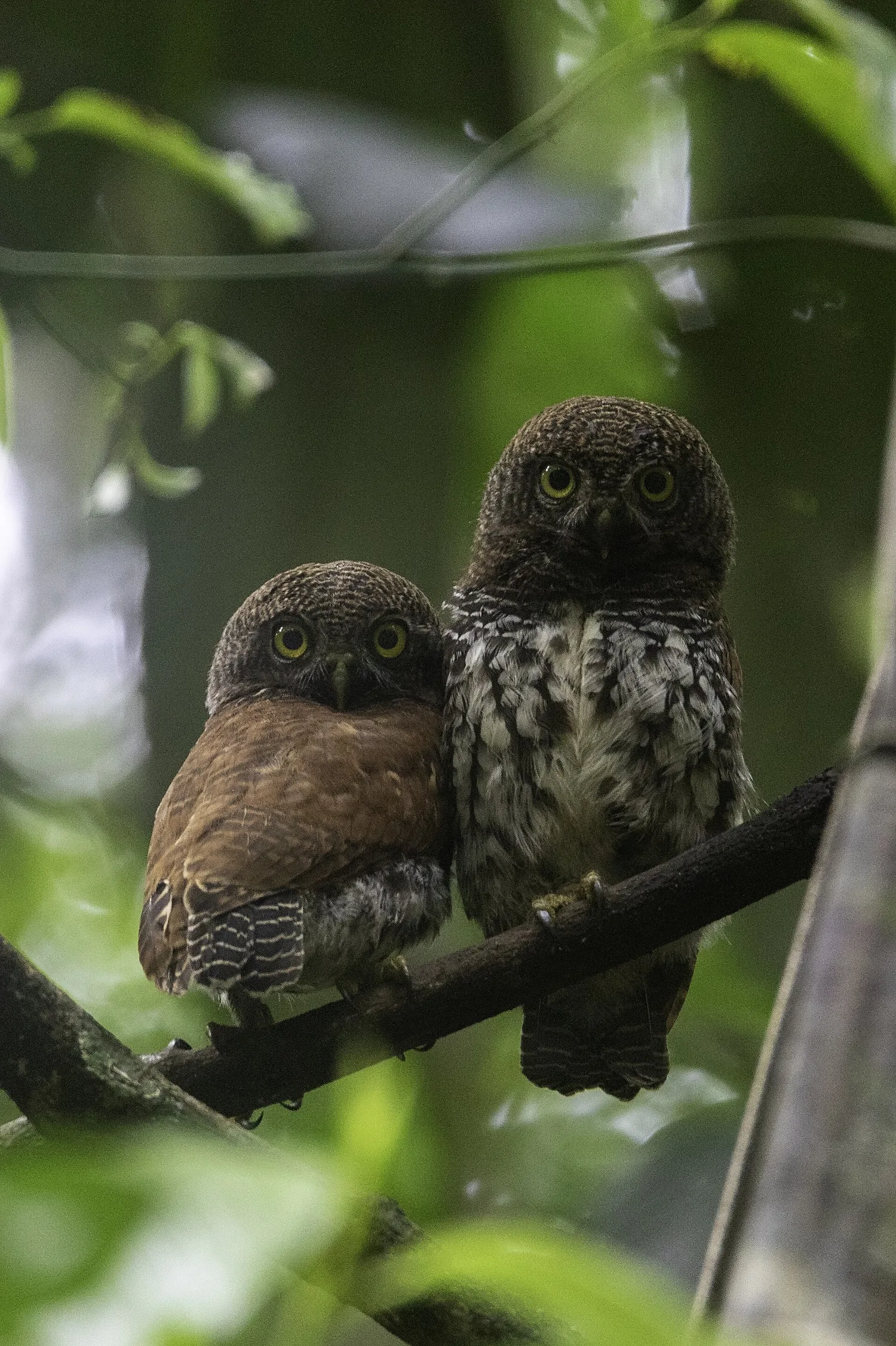
Choose habitats that fit your journey
Rainforest
Sinharaja Forest Reserve is a natural choice for travellers who want a true forest experience. The trails, calls and shifting light are part of the encounter, so a knowledgeable local guide is especially valuable. Pair it with a wider south-coast route and avoid trying to treat it as a quick stop between hotels.
Dry-zone parks and lakes
Wildlife parks can offer birdlife alongside larger animals, particularly around water, scrub and open woodland. If your priority is birds, tell your guide before the drive begins so the pace is not entirely focused on a single headline animal. Our Yala safari guide and Udawalawe safari guide can help you build a more thoughtful wildlife day.
Highlands
The cooler hill country creates a very different setting for birdwatching. Combine a highland walk with time around tea-country stays or the landscape near Horton Plains. Our Horton Plains guide is a useful starting point for planning this part of the route.
Wetlands and coast
Lagoons, marshes, estuaries and quieter stretches of coast can be rewarding for waterbirds and shorebirds. These habitats work particularly well at the beginning or end of a beach holiday, when a gentle dawn outing can sit naturally alongside time by the sea.
When to go birdwatching in Sri Lanka
There is no single perfect month for every habitat. Rainfall patterns, wind, water levels and the timing of migratory visitors vary across the island and from year to year. The most reliable approach is to choose your main regions first, then ask a specialist guide what is likely to be rewarding during your travel dates.
Early morning is often the most productive and comfortable time in many locations. It also makes the day feel gentler: watch and listen while the landscape wakes, then return for breakfast before the heat rises. Keep an afternoon free for a second quiet outing if conditions are favourable.
Why a local bird guide makes a difference
Birdwatching is often about sound, movement and knowing where not to stand. A skilled local guide can recognise calls, notice subtle behaviour and help the group remain at an appropriate distance. They also understand local access, weather and the rules that apply to protected places.
- Tell the guide your experience level and whether you prefer photography, identification or a relaxed introduction.
- Ask for a small group where possible, particularly in forest settings.
- Agree that no calls will be played repeatedly and no birds will be baited or handled for a sighting.
- Check current park entry, vehicle and guide arrangements before travel, as these can change.
What to pack
Good binoculars are more useful than a long checklist. Add neutral-coloured lightweight clothing, comfortable closed shoes, a hat, refillable water bottle, sun protection and rain protection. Keep a small notebook or identification app if you enjoy recording what you see, but use your phone silently and never use it to disturb wildlife.
For photography, choose a position that keeps you out of the animal’s path. Do not crowd a perch, block a trail or ask a driver to move too close for a picture. A distant record is better than a close image obtained at the bird’s expense.
Birdwatch with care
- Stay on designated paths and follow the instructions of park staff and guides.
- Keep voices low, especially around nests, roosts and watering places.
- Never feed, touch, bait or chase birds for a better view.
- Use flash sparingly, if at all, and never at close range around sensitive wildlife.
- Carry out all litter and avoid single-use plastics whenever possible.
These habits are part of the pleasure of birdwatching. When you slow down enough to observe without intruding, a landscape reveals far more than a quick chase for a list of names.
A simple birdwatching route idea
For a first bird-focused Sri Lanka holiday, consider a balanced route: a few days in the Cultural Triangle or a dry-zone wildlife area, several nights in the highlands, then rainforest or coastal wetlands before a beach finish. This creates variety without long, repetitive drives. Our private driver guide can help you plan the transfers at a comfortable pace, while our UNESCO World Heritage Sites guide offers meaningful cultural stops along the way.
Frequently asked questions
Is Sri Lanka good for birdwatching?
Yes. Its range of rainforest, highland, wetland, dry-zone and coastal habitats makes it easy to add rewarding birdwatching to many styles of holiday.
When is the best time to go?
Conditions vary by habitat and year, so match the plan to your route rather than looking for one universal answer. A local specialist can advise on current weather, access and seasonal opportunities.
Do I need a guide?
A specialist guide is highly recommended in forest and wetland environments. They make identification easier, help you move responsibly and can adapt the day to local conditions.
What should I bring?
Bring binoculars, light neutral clothing, sun and rain protection, water, insect protection and comfortable shoes. Keep your camera and phone use quiet and low-impact.
Wildlife at your pace
Build a Sri Lanka nature journey with time to notice more
Eeily Travels can shape a wildlife route around the habitats, comfort level and travel rhythm that suit you.
Request a quote