Hiking is one of the most immediate ways to experience Sri Lanka’s changing landscapes. One day can bring tea-covered hills and a distant waterfall; another, open highland grassland or dense rainforest alive with sound. The secret is not choosing the longest trail—it is choosing a walk that suits the weather, your confidence and the rhythm of the wider journey.
The short answer
Sri Lanka is an excellent place to add walks to a cultural, wildlife or beach itinerary. Plan hikes early in the day, favour local guidance for unfamiliar or protected terrain, and stay flexible: rain, wind, mist and access arrangements can alter a route quickly. A shorter walk done well is always better than pushing through uncomfortable conditions.
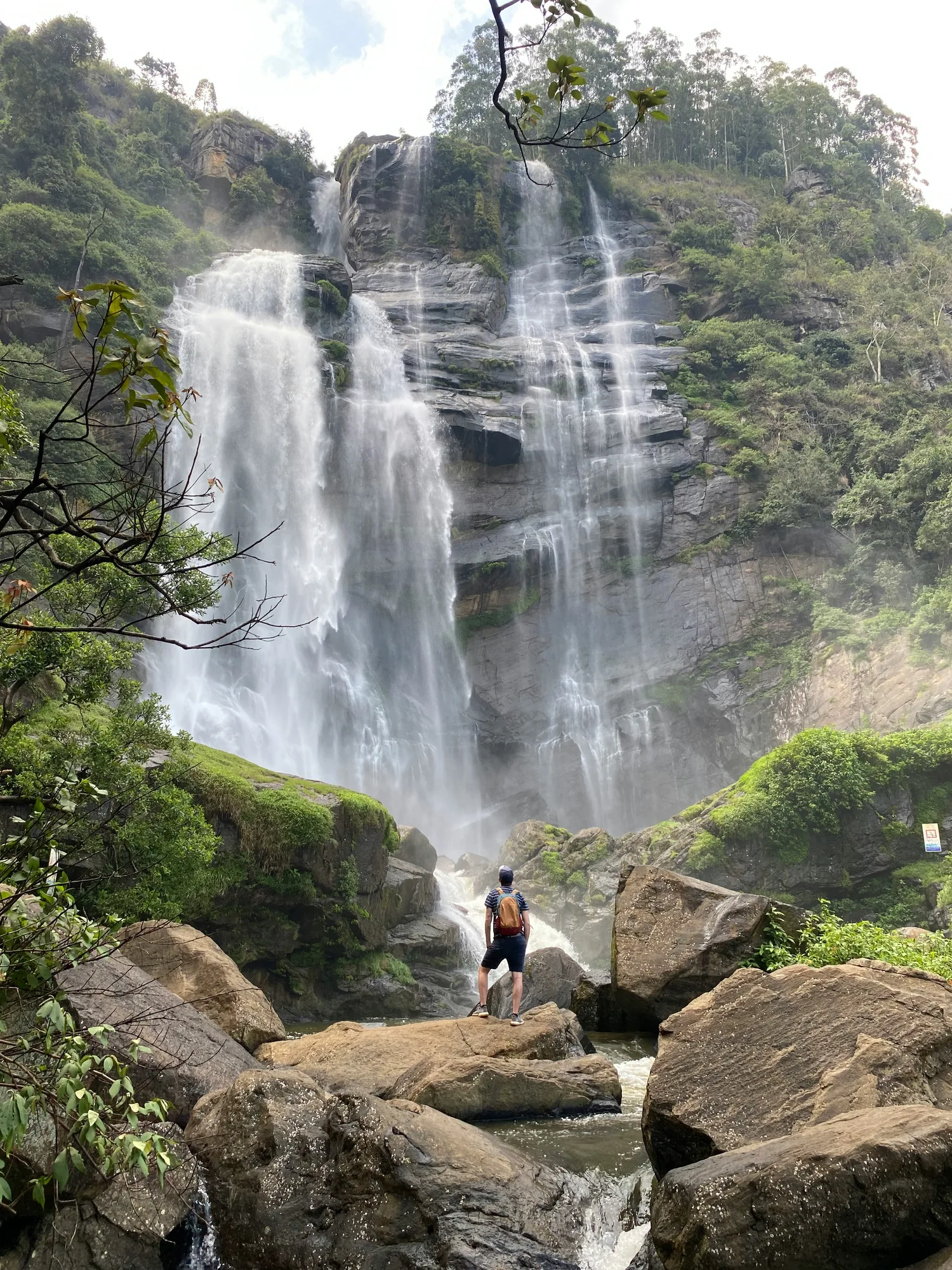
Where to hike in Sri Lanka
Ella and the southern hills
Ella is a natural base for travellers who enjoy viewpoints, village lanes and hill-country scenery. It is easy to combine a morning walk with an afternoon at a café, a train journey or a quiet hotel stay. Our Ella travel guide can help you decide how many nights to allow in the area.
Horton Plains and the central highlands
Horton Plains offers a distinctive highland environment and is best approached as a protected landscape rather than simply a photo stop. Conditions can be cool, wet and changeable, so start early, follow official guidance and keep to the designated route. See our Horton Plains and World’s End guide for practical planning.
Rainforest and lowland forest
A rainforest walk is less about covering distance and more about observation. In Sinharaja and similar environments, a local guide can help you move quietly, understand the forest and follow the rules that protect it. Combine it with our Sri Lanka birdwatching guide if the smaller details of nature interest you.
Knuckles and remote mountain country
Mountain areas can offer more challenging and remote hiking. Choose these routes only with current local advice, appropriate fitness and a guide who knows the terrain. Access, weather and permit arrangements can change, so confirm the plan shortly before you travel rather than relying on an old online route description.
Choose the right walk for your trip
Before you commit to a route, be realistic about your group. A walk that is enjoyable for an experienced hiker may be tiring or stressful for someone unaccustomed to heat, humidity or uneven ground. Tell your guide about children, mobility considerations, relevant health needs and the kind of experience you hope for.
- For a gentle introduction: choose a short hill-country or village walk with a flexible turnaround point.
- For scenery: prioritise a viewpoint route, a tea-country path or a highland walk with an early start.
- For nature: book a guided rainforest or wetland walk and slow the pace right down.
- For a challenge: consider remote mountain terrain only when conditions, experience and local support all align.
Plan around weather, not against it
Sri Lanka’s weather varies considerably by region and elevation. Rain can make paths muddy or slippery; mist can change visibility; hot lowlands require more water and shade than many travellers expect. Conditions should guide the plan on the day.
Start early where possible, especially for exposed routes. Check with your accommodation, guide or park authority about current access and weather, and be willing to choose an alternative if the conditions are not right. Our best time to visit Sri Lanka guide gives useful context for matching regions to the season.
What to pack for a Sri Lanka hike
- Supportive shoes with reliable grip; avoid breaking in new footwear on holiday.
- Water, a small snack and a refillable bottle rather than single-use plastic.
- Light rain protection and a warm layer for higher elevations.
- Sun protection, a hat and insect protection appropriate to the location.
- A small first-aid kit, charged phone and offline details for your accommodation or driver.
- A dry bag or waterproof cover for electronics and essentials.
For the wider trip, our Sri Lanka packing list covers the practical items that make travel between regions easier.
Walk safely and respectfully
Hiking should feel adventurous, not precarious. Do not hike alone on a remote or unfamiliar route, stay with your group and guide, and turn around early if you are tired, unwell or the weather is deteriorating. Keep children within sight and do not rely on a phone signal for navigation in forest or mountain areas.
- Follow park and guide instructions, including designated paths and closing times.
- Never leave litter, remove plants or disturb wildlife for a photograph.
- Keep voices low in forest environments and give animals a wide berth.
- Do not swim beneath waterfalls or in rivers unless a knowledgeable local confirms it is safe.
- Tell someone your planned route and expected return time.
Fit hiking into a comfortable itinerary
Put more demanding walks after a good night’s rest, not at the end of a long transfer. A private driver can make a hill-country route smoother, but do not let that encourage over-scheduling. Our private driver guide explains how to leave enough room around travel days.
For a varied active holiday, combine one or two hill walks with a train journey, a wildlife experience and a coastal rest day. The contrast is part of the pleasure—and it helps your legs recover before the next adventure.
Frequently asked questions
Is Sri Lanka good for hiking?
Yes. The island offers hill-country walks, highland grassland, rainforest paths and coastal or village walks. Choose terrain and distance around your confidence, the forecast and the current local conditions.
Do I need a guide?
A local guide is strongly recommended for remote, protected or unfamiliar trails, especially in rainforest and mountain areas. They help with navigation, local rules and weather decisions.
What should I pack?
Bring supportive footwear, water, rain and sun protection, a light layer, insect protection, snacks and a small first-aid kit. Ask locally about trail conditions before you set out.
What time should I start?
Early morning is usually most comfortable and gives you more time to adapt if the weather changes. Confirm the plan with your guide, accommodation or park authority on the day.
See more on foot
Build an active Sri Lanka journey at the right pace
Eeily Travels can shape a route around the landscapes, walk lengths and travel rhythm that suit your group.
Request a quote