The best whale-watching trip from Mirissa is not measured by how close a boat gets. It is measured by the quiet anticipation of the open sea, an operator who gives animals room and the feeling of sharing—not chasing—their world.
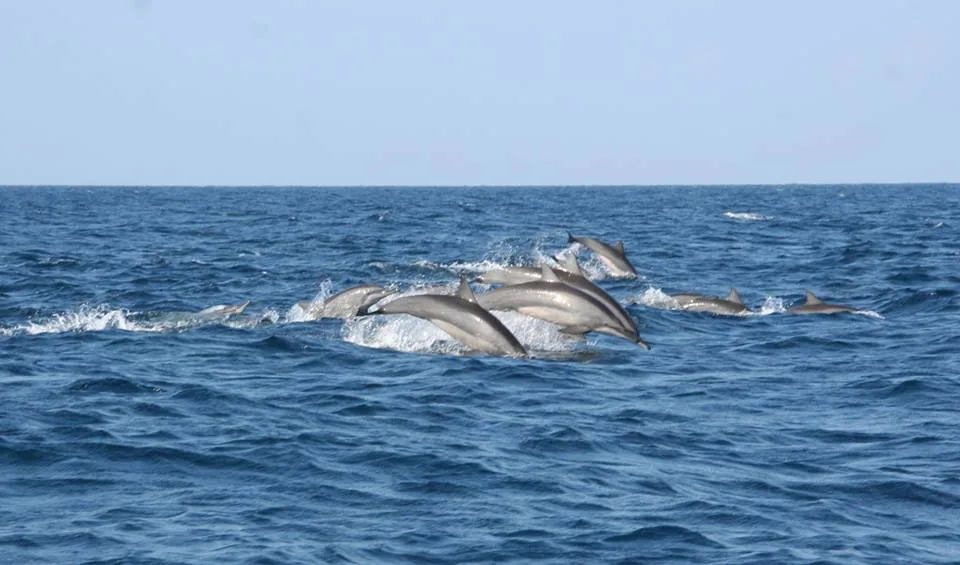
Mirissa is one of Sri Lanka's well-known bases for whale and dolphin watching on the south coast. Sri Lanka Tourism identifies the waters off Dondra Point, accessible from Mirissa, among the island's key whale-watching areas. Blue whales, sperm whales, dolphins and other marine life may be present—but every sighting is a privilege, never a promise.
When to plan a Mirissa trip
Sri Lanka Tourism generally identifies November to April as the southern-coast whale and dolphin watching season. The exact quality of a trip still depends on weather, swell, visibility and the animals' movements, so check the local marine forecast and your operator's advice shortly before you go.
Build some flexibility into the route if the ocean experience is important to you. A rough-sea cancellation is not a failed day; it is a responsible decision. Use the time for a beach walk, a coastal meal or a nearby cultural stop, then try again only if conditions improve.
What to expect on the water
Trips usually begin early, when the sea can be calmer. The time offshore varies with conditions and the animals' location. Some days bring dolphins, seabirds or a distant whale; other days are quieter. Treat the whole journey as an experience of the Indian Ocean rather than a guarantee of a particular photograph.
Bring water, sun protection, a light layer and any motion-sickness medication you normally use. Keep your camera settings simple and avoid spending the entire journey behind a screen. The most memorable sightings are often brief, and watching them fully is better than scrambling for a close-up.
Choose the boat before you book
Whale watching needs careful regulation because boats can disturb marine animals. Sri Lanka Tourism Development Authority guidance says vessels should be registered and crew should follow operating procedures designed to protect both passengers and wildlife. Ask simple, practical questions before paying:
- Is the operator properly registered and safety-equipped? Check that there are life jackets for every passenger and that the crew gives a clear safety briefing.
- How many guests will be on board? Choose comfort and safety over the cheapest crowded option.
- What is the wildlife approach policy? A good operator will not promise a close encounter or a guaranteed whale.
- What happens in rough weather? Responsible operators prioritise sea conditions over a non-refundable schedule.
- Will the crew explain the experience? A knowledgeable guide makes the trip richer without turning it into a performance.
Give whales and dolphins their space
Sri Lanka's tourism guidance asks vessels to approach with minimum disturbance. It sets a 100-metre no-approach zone for whales and says boats should not wait in an animal's direction of travel. It also limits the number of vessels within the wider caution zone and prohibits attracting animals with food, light or sound.
As a guest, your choices matter too. Do not ask the captain to get closer, do not lean out over the rail to attract animals and never enter the water unless a lawful, specifically authorised activity and safety plan is in place. If another boat behaves aggressively, your own crew can still choose the better standard: slow down, remain quiet and move away.
Build Mirissa into a south-coast route
Mirissa works best as a relaxed coastal pause, not a dawn-to-midnight checklist. Stay long enough to allow for weather, enjoy a beach day and continue toward heritage or wildlife at a reasonable pace. Our Galle Fort guide makes an excellent cultural counterpoint, while the Yala safari guide can help shape a wider wildlife-focused route.
For beach and sea planning across the island, consult our best time to visit Sri Lanka guide and diving and snorkelling guide. Conditions differ by coast, season and activity.
What to take
- Sun protection: hat, sunglasses and reef-conscious sunscreen where appropriate.
- Motion-sickness preparation: take your usual medication before departure if you are prone to seasickness.
- Light waterproof layer: sea spray and changing weather are part of being offshore.
- Drinking water: bring a refillable bottle if the operator permits it.
- Secure essentials: use a small dry bag or zip pouch for phone, documents and medication.
For the rest of the journey, see our Sri Lanka packing list.
Mirissa whale watching FAQs
When is whale watching season in Mirissa?
November to April is the usual southern-coast season cited by Sri Lanka Tourism. Always check the live forecast and operator advice before committing to a trip.
Can you guarantee whales in Mirissa?
No. Wildlife sightings are never guaranteed. A responsible operator will be honest about conditions and will not chase animals to create a promised result.
How do I choose a responsible Mirissa operator?
Ask about registration, safety equipment, passenger numbers, weather policy and animal-distance practices. Choose the team that puts safety and wildlife welfare ahead of a close-up sighting.
Plan the south coast
Let the ocean experience stay wild.
Eeily Travels can shape a Sri Lanka route around the coast, wildlife and the season that suits your dates.
Request a Quote