Sri Lanka is not one surf destination—it is two coastlines that take turns. With the right timing, you can find waves, warm water and a beach-town rhythm in almost any season, but the key is choosing the coast that suits your dates and ability.
Sri Lanka Tourism highlights Arugam Bay on the east coast for its world-known waves, then points to the south coast when the Arugam Bay season winds down. That seasonal shift is the foundation of a good surf trip. Start with your travel window, then choose an area, an instructor and a pace that put safety before a headline break.
East coast: Arugam Bay and beyond
Arugam Bay is Sri Lanka's most famous surf base, centred on the southeast coast near Pottuvil. Sri Lanka Tourism generally identifies April to October as its surf season, with conditions and access still varying across the period. The area has a sociable surf-travel energy, wide beaches and several points that suit different experience levels.
Do not assume that a well-known wave is right for you. Local instructors can help beginners choose a protected, forgiving session and direct more confident surfers toward a break appropriate to their ability. Ask about currents, reef or rock hazards, crowds and the best time of day before you set out.
South coast: Weligama, Hikkaduwa and nearby bays
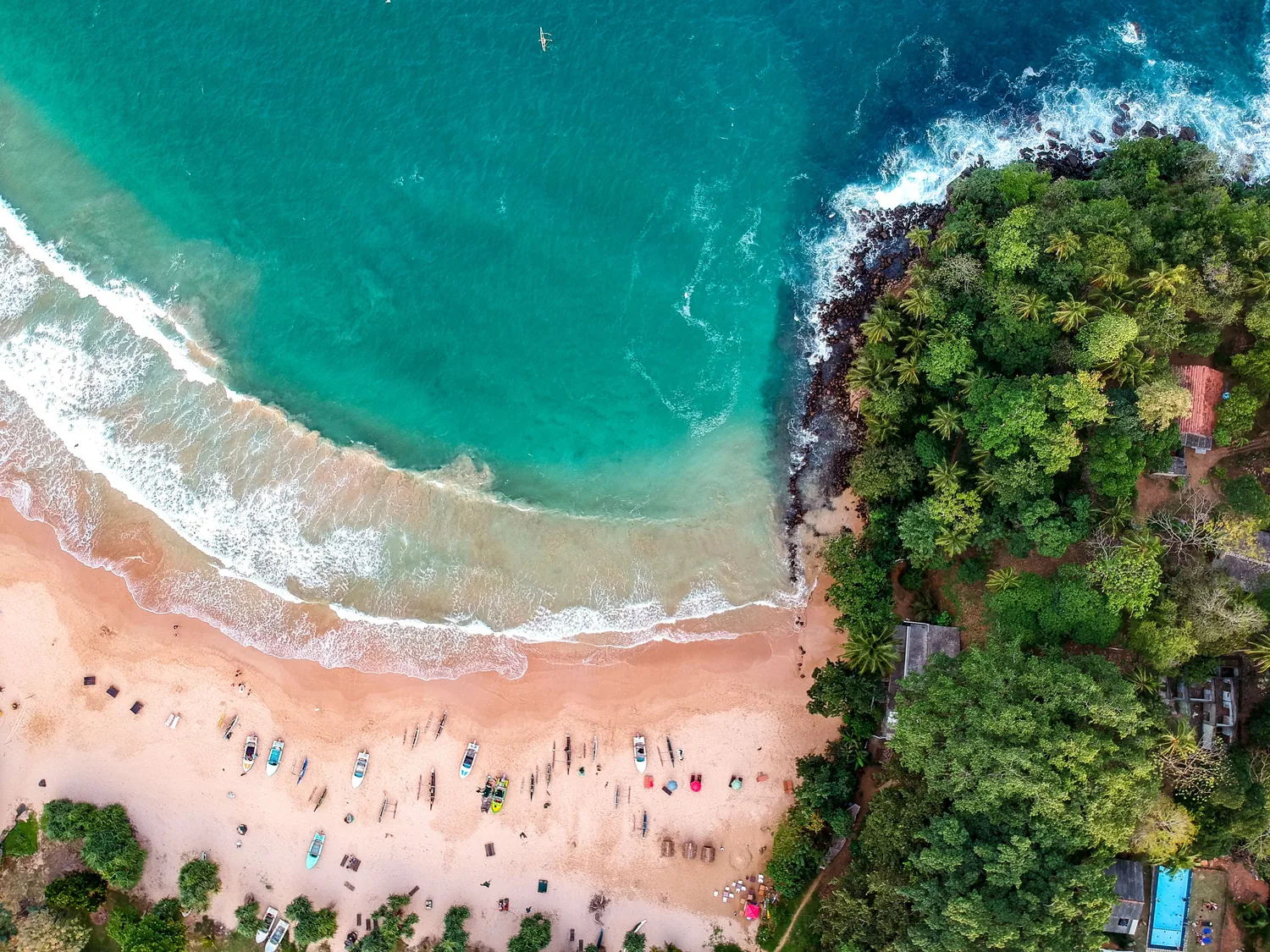
After the east-coast season, Sri Lanka Tourism identifies Hikkaduwa, Wewala and Narigama among the south-coast surf areas—places that can work well for recreational surfers. Weligama is another popular base for lessons and longboard-friendly beach sessions, while the wider coastline lets you combine surf days with heritage, food and beach time.
The south coast is a flexible choice for travellers who want surf to be one part of a Sri Lanka holiday, not the whole schedule. Pair a lesson with a night in Galle Fort, a whale-watching day from Mirissa, or simply a relaxed beach afternoon.
Book a lesson that builds confidence
A good first lesson should feel calm, practical and specific to the day. Before you book, ask whether the coach will choose a suitable location after checking conditions, how many learners share the session and whether they provide a clear safety briefing. Sri Lanka Tourism notes that water-sport businesses should be registered with the relevant tourism authority; a professional school will be happy to explain its approach.
- Start with the right board: a stable, beginner-friendly board helps you learn more than a short, high-performance board.
- Learn the water first: understand the break, currents, safe entry and exit points before trying to catch waves.
- Keep group sizes sensible: you should be able to hear, ask questions and receive useful feedback.
- Choose honest coaching: the best instructor will tell you when conditions are not right for your level.
Read the sea with humility
Surfing conditions can change quickly. Never enter alone at an unfamiliar break, especially after rain, in strong wind or when the sea looks more powerful than expected. Watch from shore first, speak to a local instructor and follow flags, lifeguards or local advice where present.
Respect other surfers by taking turns, not dropping into someone else's wave and paddling out through safer channels rather than across the main riding zone. If you are a beginner, the confidence to sit out a difficult session is a strength, not a failure.
What to pack for a surf holiday
- Rash vest or sun-protective top: the tropical sun is stronger than many visitors expect.
- Reef-safe sun protection: reapply regularly and bring a hat for time onshore.
- Waterproof pouch: protect your phone, medication and small essentials near the beach.
- Reusable water bottle: hot beach days require more hydration than you think.
- Light cover-up: useful for cafés, transfers and visits away from the coast.
For broader travel essentials, use our Sri Lanka packing list.
Let the season decide the route
Sri Lanka's two monsoon systems mean a surf itinerary should be built from the coast outward, not the other way around. If you are travelling in the usual Arugam Bay window, give the east enough time rather than adding it as a rushed detour. At other times, use the south coast as your base and keep an eye on current sea conditions.
Our best time to visit Sri Lanka guide explains the island-wide seasonal pattern, while our diving and snorkelling guide helps distinguish the best coast for other sea activities.
Sri Lanka surfing FAQs
When is the best time to surf in Sri Lanka?
Arugam Bay generally suits surf travel from April to October. After that, the south coast becomes the main option. Confirm current conditions locally before every session.
Is Sri Lanka good for beginner surfers?
Yes, when you choose a suitable bay, take a qualified lesson and treat changing conditions with respect. Do not assume every popular break is beginner-friendly.
Which coast should I choose for a surf trip?
Choose the east coast around the usual Arugam Bay season, and the south coast at other times. Your exact dates, ability and the live forecast should make the final decision.
Plan the right coast
Let the season shape your surf trip.
Eeily Travels can build a Sri Lanka route around the coast, experiences and pace that suit your dates.
Request a Quote