Trincomalee feels spacious. Its natural harbour opens toward the Indian Ocean, beaches stretch north toward Nilaveli and Uppuveli, and the city carries layers of Hindu, Buddhist, colonial and maritime history that reward a slower stay.
Sri Lanka Tourism identifies Trincomalee as a world-renowned natural deep-water harbour and highlights its nearby beaches, marine activities and historic fort. It is an east-coast chapter that works beautifully when you allow more than a night: one day for the town and temple, another for the beach, and a flexible day for the sea.
Why choose Trincomalee?
Trincomalee combines two kinds of coast. In town, you can explore a working port city with a strong cultural identity, temples and historic streets. Beyond it, Nilaveli and Uppuveli offer a gentler beach rhythm. This makes the region a good choice for travellers who want more than a resort stay—there is room for culture, food, swimming and a change of pace.
Do not try to experience it all in one day. The distances, heat and sea conditions all reward a looser itinerary. Pick one or two priorities each day, and keep the rest of the schedule open for a quiet meal, an early swim or a change in weather.
Start with Trincomalee town
Begin with the harbour setting and the historic centre. Fort Frederick, built originally by the Portuguese and later associated with the Dutch and British, helps explain why Trincomalee has long mattered strategically. Within the fort area, Koneswaram Temple is an important Hindu pilgrimage place. Dress modestly, remove footwear when requested and follow photography guidance closely.
The town's backstreets, food stalls and waterfront offer a more everyday view of the east coast. Take time for a local meal and do not treat sacred places or local people as props for travel photography. Ask before taking portraits, especially around worship.
Choose between Uppuveli and Nilaveli
Uppuveli is close to Trincomalee town and can suit travellers who want easy access to restaurants and a simple beach stay. Nilaveli, further north, is known for its long, pale sand and a more spacious feel. Sri Lanka Tourism describes both as calm east-coast bases, with Nilaveli particularly associated with quiet beach time.
The right choice depends on your style. Stay near Uppuveli for a little more town energy and convenience; choose Nilaveli for long beach walks and a slower pace. You can also split the stay if you want a night in town and time farther up the coast.
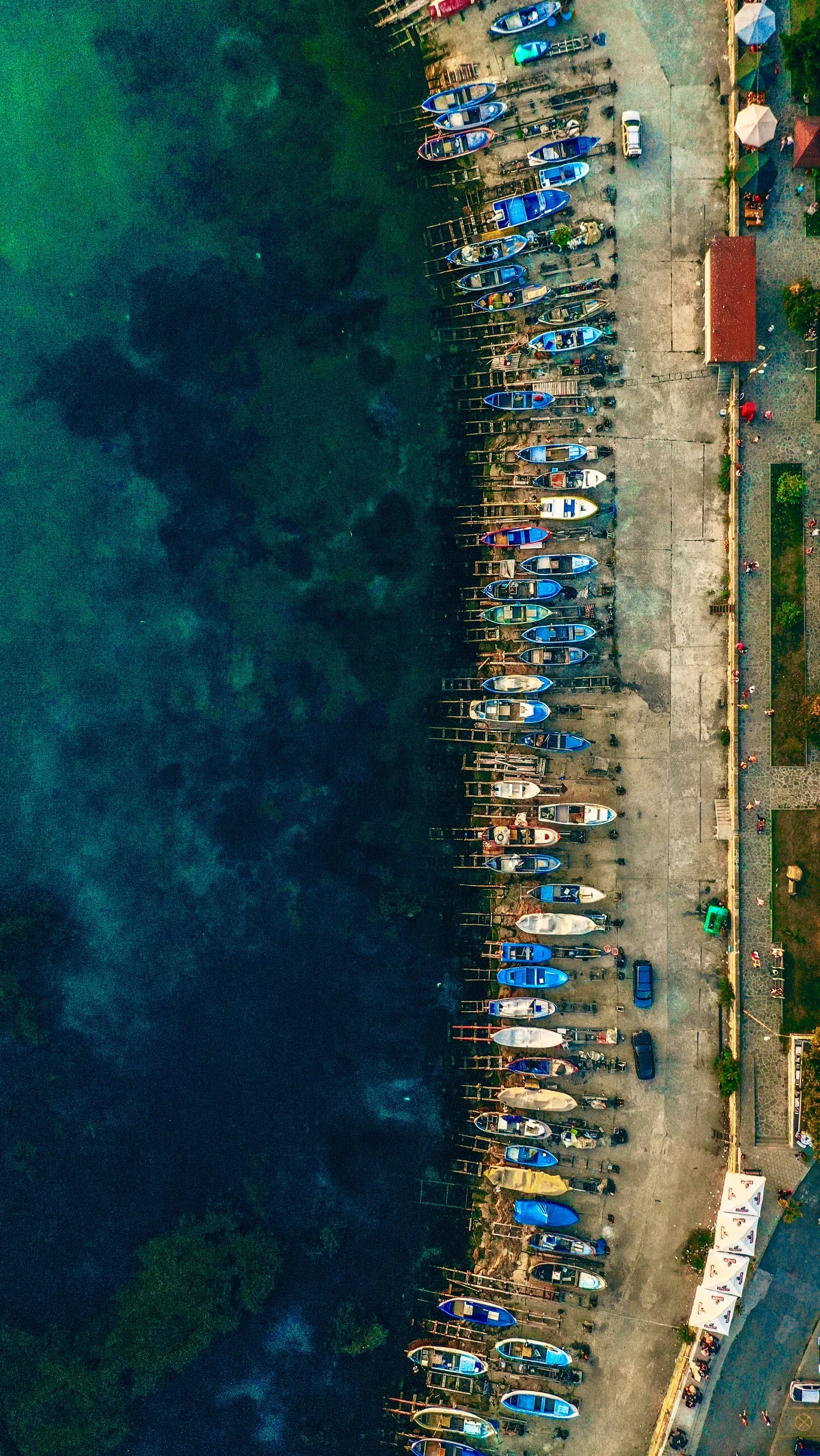
Plan Pigeon Island with care
Pigeon Island National Park lies offshore from Nilaveli and protects coral reef habitat. Sri Lanka Tourism notes that the marine park includes two small islands, coral reefs and a rich variety of fish and other marine life. It can be a rewarding snorkelling outing—but it is not a guaranteed all-weather activity.
Check the current park status, boat safety standards, weather forecast and permit arrangements before you book. Choose an operator that provides life jackets, avoids crowding wildlife and prevents visitors from standing on coral or touching marine animals. Never take coral, shells or other natural material away from the island.
Keep the sea day flexible
The east coast can be excellent for swimming, snorkelling, diving and boat trips in the right season, but conditions change. If the sea is rough or visibility is poor, choose a town, temple or beach plan instead. A responsible operator will cancel or change a trip when conditions are unsuitable; that is good judgement, not poor service.
For seasonal context, see our best time to visit Sri Lanka guide. Our diving and snorkelling guide also helps you decide whether a marine day fits your dates and experience level.
How long to stay
- Two nights: enough for a compact town-and-beach combination.
- Three nights: the best balance for most travellers, with a flexible day for Pigeon Island or another sea outing.
- Four nights or more: ideal for beach-focused travellers who want time for diving, snorkelling, relaxation and slower local exploration.
Trincomalee works well after the Cultural Triangle or before travelling south through the east coast. Avoid building a very long road journey into the same day as an early boat departure.
What to pack for the east coast
- Sun protection: hat, sunglasses and sunscreen are essential for beach and boat days.
- Modest cover-up: useful when moving between beaches, town and places of worship.
- Reusable water bottle: important in warm, dry conditions.
- Dry pouch: protects your phone, medication and documents on boat trips.
- Light layer: useful for early transfers or breezy evenings by the water.
For a complete checklist, use our Sri Lanka packing list.
Build a thoughtful east-coast route
For a first Sri Lanka journey, Trincomalee can follow Anuradhapura or Polonnaruwa, creating a natural shift from ancient cities to open coastline. If surfing is a priority later in the route, our Sri Lanka surfing guide explains why the east coast and south coast suit different seasons.
Trincomalee travel FAQs
Is Trincomalee worth visiting?
Yes. It offers a distinctive mix of harbour history, Hindu culture, beaches and marine experiences, with a more spacious east-coast feel than the busier south.
How many days should I spend in Trincomalee?
Three nights is a comfortable minimum, giving you a town day, a beach day and flexibility around a boat or snorkelling outing.
Can I visit Pigeon Island from Nilaveli?
Yes, when conditions and park access allow. Confirm the latest boat, permit and weather arrangements before booking because this protected marine park can be affected by changing conditions.
Plan the east coast
Let the coast set a slower rhythm.
Eeily Travels can shape a Sri Lanka route around culture, beaches and the right season for your travel dates.
Request a Quote